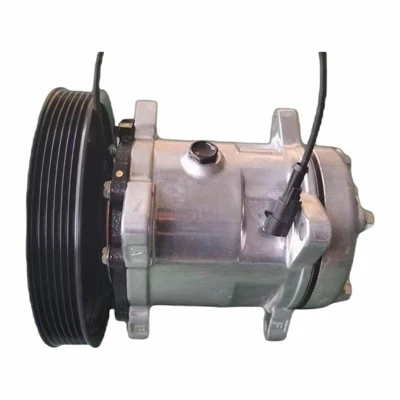
As a seasoned player in the automotive compressor supply industry, I’ve witnessed firsthand the significant role these components play in the automotive ecosystem. While automotive compressors are essential for the proper functioning of a vehicle’s air – conditioning system and other cooling applications, they also have a notable impact on greenhouse gas emissions. In this blog, I’ll delve into exactly how automotive compressors contribute to greenhouse gas emissions, exploring the various aspects from refrigerant use to energy consumption. Automotive Compressor
Refrigerant Leakage: A Direct Source of Greenhouse Gas Emissions
One of the most straightforward ways automotive compressors contribute to greenhouse gas emissions is through refrigerant leakage. Automotive air – conditioning systems rely on refrigerants to transfer heat and cool the cabin. Historically, many of these refrigerants have been potent greenhouse gases. For instance, hydrofluorocarbons (HFCs), which were widely used in the past, have a high global warming potential (GWP). The GWP is a measure of how much heat a greenhouse gas traps in the atmosphere over a specified period compared to carbon dioxide. HFCs can have a GWP hundreds or even thousands of times greater than that of carbon dioxide.
Automotive compressors are a key point in the refrigerant circuit. Over time, wear and tear can lead to small cracks or leaks in the compressor seals and housing. When refrigerant escapes into the atmosphere, it directly adds to the concentration of greenhouse gases. Even small leaks can accumulate over the lifespan of a vehicle. According to the SAE International’s research on automotive air – conditioning systems, a significant amount of refrigerant loss occurs due to compressor – related issues.
Moreover, during the manufacturing, maintenance, and disposal of automotive compressors, there is also a risk of refrigerant release. In the manufacturing process, if the assembly is not done with high precision, refrigerant may escape during the initial testing phase. When vehicles are serviced, improper handling of the compressor and refrigerant system by untrained technicians can result in refrigerant leakage. And at the end – of – life stage of a compressor, if it is not recycled properly, the remaining refrigerant can be released into the environment.
Energy Consumption and Indirect Emissions
Automotive compressors consume a considerable amount of energy to operate. The energy required to power the compressor comes from the vehicle’s engine, which burns fuel. In internal combustion engine (ICE) vehicles, this fuel consumption leads to the direct emission of carbon dioxide (CO₂), a major greenhouse gas. When the compressor is running, it places an additional load on the engine. This increased load means that the engine has to work harder, burning more fuel in the process.
For example, in hot summer days when the air – conditioning system is running at full capacity, the compressor can consume a significant portion of the engine’s power. Studies have shown that using the air – conditioning system in an ICE vehicle can increase fuel consumption by up to 20% in some cases. This increase in fuel consumption directly translates into higher CO₂ emissions.
In the case of electric vehicles (EVs), although there are no tailpipe emissions, the energy used to power the compressor still has an associated carbon footprint. The electricity used to charge an EV often comes from a mix of energy sources, including fossil fuels. So, when the compressor in an EV is operating, it reduces the vehicle’s range, which may lead to more frequent charging. If the electricity for charging comes from coal – fired power plants, for example, the operation of the compressor indirectly contributes to greenhouse gas emissions.
The Role of Compressor Efficiency
The efficiency of an automotive compressor has a direct bearing on both refrigerant leakage and energy consumption. A more efficient compressor operates with less friction and better seals, reducing the likelihood of refrigerant leakage. High – efficiency compressors are designed to minimize internal losses and optimize the compression process. This means that they can achieve the same cooling effect with less energy input.
However, in the real – world scenario, many vehicles are still equipped with older – generation compressors that are less efficient. These compressors require more energy to operate, leading to higher fuel consumption and CO₂ emissions in ICE vehicles or greater electricity consumption in EVs. Additionally, their seals may not be as reliable, increasing the risk of refrigerant leakage.
As an automotive compressor supplier, we have been constantly investing in research and development to improve compressor efficiency. Our team of engineers is working on advanced materials and designs to reduce friction, enhance seal performance, and optimize the compression cycle. By providing more efficient compressors, we aim to help vehicle manufacturers reduce the environmental impact of their vehicles.
Regulatory Measures and Their Impact
In recent years, governments around the world have implemented strict regulations to address the greenhouse gas emissions associated with automotive compressors. For example, the European Union’s F – Gas Regulation has restricted the use of high – GWP refrigerants in automotive air – conditioning systems. This has forced the automotive industry to switch to more environmentally friendly refrigerants.
New refrigerants such as hydrofluoroolefins (HFOs) have a much lower GWP compared to their predecessors. However, the transition to these new refrigerants is not without challenges. Compressors need to be redesigned to be compatible with these new substances. At our company, we have been at the forefront of this transition. We have developed compressors that are specifically designed to work with low – GWP refrigerants, ensuring that our customers can meet the regulatory requirements without sacrificing performance.
Regulations also exist regarding refrigerant management. Vehicle manufacturers and service providers are required to follow strict procedures for refrigerant handling, including proper maintenance, recycling, and disposal of compressors. These regulations are crucial in reducing the amount of refrigerant that is released into the atmosphere.
Mitigating the Impact: Our Initiatives
As an automotive compressor supplier, we are committed to reducing the contribution of our products to greenhouse gas emissions. We are actively involved in several initiatives to achieve this goal.
Firstly, we are continuously improving our manufacturing processes. By using advanced manufacturing techniques, we can ensure higher precision in compressor assembly, reducing the risk of refrigerant leakage during production. We also implement strict quality control measures to detect and correct any potential leaks before the compressors leave our factory.
Secondly, we are exploring new technologies to improve compressor efficiency. For example, we are researching on variable – displacement compressors. These compressors can adjust their output according to the cooling demand, which means they can consume less energy when the cooling requirements are low. This not only reduces fuel or electricity consumption but also decreases the overall greenhouse gas emissions associated with the compressor operation.
Thirdly, we are collaborating with vehicle manufacturers to develop integrated solutions. By working closely with them, we can optimize the performance of the compressor within the entire vehicle system. For example, we can design compressors that are more compatible with the engine or battery management system of the vehicle, further reducing energy consumption.
Conclusion and Call to Action
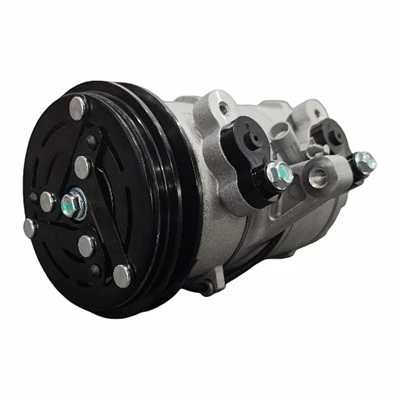
Automotive compressors do contribute to greenhouse gas emissions through refrigerant leakage and energy consumption. However, through continuous innovation, regulatory compliance, and industry collaboration, we can significantly reduce this impact. As a leading automotive compressor supplier, we are dedicated to providing high – quality, efficient, and environmentally friendly compressors.
Construction Compressor If you are a vehicle manufacturer, automotive service provider, or anyone in need of automotive compressors, we invite you to contact us for more information. We have a wide range of compressor products that can meet your specific needs and help you contribute to a more sustainable automotive future. By choosing our compressors, you are not only investing in a reliable and efficient product but also taking a step towards reducing greenhouse gas emissions in the automotive industry.
References
- SAE International. Research on automotive air – conditioning systems and refrigerant loss.
- European Union’s F – Gas Regulation.
Jiangsu Nuoyan New Energy Vehicle Air Conditioning Co., Ltd.
With abundant experience, we are one of the most professional automotive compressor manufacturers and suppliers in China. We warmly welcome you to buy customized automotive compressor at competitive price from our factory. Also, quotation is available.
Address: No. 7 Xingyuan Road, Huangqiao Economic Development Zone, Taixing City, Jiangsu
E-mail: nuyantech2026@163.com
WebSite: https://www.nuyantech.com/
