If you’ve ever wandered the aisles of a well-stocked specialty grocery store, you’ve likely spotted dried morel mushrooms tucked beside truffle oils, gourmet salts, and artisanal pastas—those crinkled, honeycombed caps that look like something out of a forager’s daydream. As someone who’s spent the last seven years running a small-scale dried morel mushroom operation, I get asked this question at least once a week from home cooks, café owners, and even food truck operators: “Can I use dried morels in a sandwich filling?” Dried Morel Mushroom
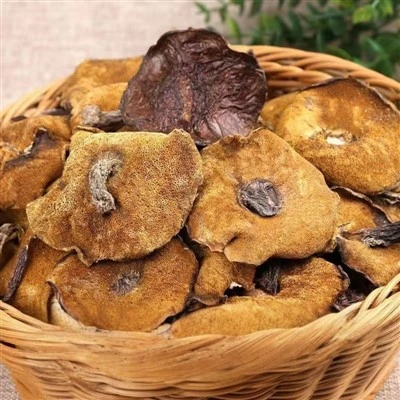
My first response is always a resounding yes—but with a side of notes, because dried morels aren’t the same as their fresh counterparts, and working with them in a sandwich requires a little extra care to bring out their signature earthy, nutty, almost woodsy notes. Let’s break this down, from the science of rehydrating morels to pairing them in fillings that don’t get soggy or lose their oomph.
First, let’s talk about why dried morels work so well for sandwiches, even if fresh morels are often the go-to for fancy appetizers. When we dry morels—slowly, at low temperatures (around 95°F, no higher) to lock in flavor rather than cook them out—we’re concentrating their goodness. One ounce of dried morels rehydrates to roughly 8 ounces of fresh morels, so a small jar of our dried morels goes a lot further than a pint of fresh ones. That’s a big win for home cooks on a budget and small food businesses trying to keep ingredient costs manageable without cutting corners on flavor.
But here’s the thing most people get wrong about using dried mushrooms in sandwiches: they skip the proper rehydration step, and that’s where the frustration starts. If you just toss a dried morel into your sandwich fillings dry, it will be chewy, gritty, and take away from every other ingredient in your sandwich. Morels, like all wild mushrooms, have a porous, honeycombed surface that traps dirt and spores when they’re growing in the wild—so cleaning them (and rehydrating them correctly) is non-negotiable.
Let’s walk through the process I recommend to every customer, whether they’re making a quick weeknight sandwich for their family or developing a new menu item for their café. First, don’t just soak dried morels in plain tap water—you’ll leach out a lot of the delicate flavor. Instead, use warm (not boiling) water or low-sodium vegetable broth. For a standard 4-ounce batch of dried morels, you’ll need about 2 cups of warm liquid. Submerge the morels fully and let them sit for 20 to 30 minutes. You’ll notice the liquid turning a deep, amber color—that’s the flavor being pulled out of the mushrooms. That liquid is gold, by the way: don’t pour it down the drain. Strain it through a cheesecloth or a fine-mesh sieve lined with coffee filters to catch any hidden grit, and you can use it in soups, sauces, or even spread a thin layer on your sandwich bread for an extra morel kick.
Once they’re rehydrated, pat the morels dry gently with a paper towel. Now, the cleaning part: since their caps are honeycombed, gently swish them in a bowl of cool water to get rid of any last bits of dirt, then pat them dry again. You don’t want to scrub them hard—you’ll damage the delicate caps and squeeze out flavor.
Now, the part that makes dried morels perfect for sandwiches: their texture after cooking. Dried morels, once rehydrated and sautéed lightly, have a meaty, tender bite that stands up to heartier sandwich ingredients without turning mushy. That’s a huge plus compared to fresh morels, which can release a lot of water when cooked, making sandwiches soggy if not used carefully.
Let’s talk about actual sandwich fillings, because that’s what most people care about. I’ve tested dozens of combinations over the years, both in my own kitchen and with the café owners I supply, and the sweet spot is pairing morels with ingredients that complement their earthiness, not overpower it.
My go-to casual sandwich for weeknights is a simple sourdough base, with sautéed rehydrated morels, sharp white cheddar, a few thin slices of ripe tomato, and a dollop of whole-grain mustard. The acidity from the tomato cuts through the richness of the cheese, the whole-grain mustard adds a subtle tang that makes the morel flavor pop, and the sourdough crust stands up to the meaty morels without getting soggy. I make sure to sauté the rehydrated morels for just 2 minutes in a little olive oil and a pinch of salt before adding them to the sandwich—any longer, and they’ll get rubbery.
For something a little heartier, great for lunch or even a light dinner, I love a grilled cheese with rehydrated morels and caramelized onions. The sweetness of the caramelized onions balances the morel’s earthiness, and the melted cheese ties everything together. I use a sharp Havarti instead of cheddar for a little extra creaminess, and I spread a thin layer of herb cream cheese on the bread before adding the filling. This is a big hit at the small farm-to-table café I supply, and they tell me it’s one of their top-selling vegetarian sandwiches in the fall when morel season (and dried morel use) is at its peak.
We also get requests from vegan customers, so I’ve experimented with vegan sandwich fillings too. Rehydrated morels work wonderfully with roasted zucchini, avocado, and a garlic tahini spread. The umami from the morels, the creaminess of the avocado, and the nuttiness of tahini make for a satisfying, protein-packed sandwich that doesn’t skimp on flavor. The key here is to make sure you’re patting the morels completely dry after rehydrating and sautéing them lightly—extra moisture is the enemy of a good vegan sandwich, since it doesn’t have melted cheese to balance it out.
Now, let’s address a common concern: do dried morels have the same flavor as fresh morels? It’s a fair question, and the short answer is no, but that’s not a bad thing. Fresh morels have a bright, grassy, slightly sweet note, while dried morels have a deeper, more concentrated, almost smoky earthiness that works surprisingly well in sandwiches. It’s like the difference between fresh and dried herbs—basil is bright in a caprese, but dried oregano adds a depth to tomato sauce that fresh oregano can’t match. Dried morels bring that same kind of depth to sandwiches that fresh ingredients can’t always deliver, especially when it comes to that umami kick that makes sandwiches feel indulgent, not just like a quick meal.
I’ve also heard people worry about food safety with dried mushrooms, especially wild ones like morels. It’s a valid concern—wild mushrooms can have toxins if not prepared correctly, but when you buy high-quality dried morels from a reputable supplier (like us), you don’t have to worry about that. We source our morels from certified foragers who harvest them only when they’re fully mature, and we dry them using controlled low temperatures that kill any harmful bacteria. That means you can use our dried morels with confidence, as long as you follow basic food safety rules: rehydrate them properly, cook them briefly (even if they’re dried, a quick sauté or warm soak is enough to kill any remaining bacteria), and don’t leave perishable sandwiches with morel fillings out at room temperature for more than two hours.
Another tip I always share with new customers: don’t limit yourself to just savory sandwiches. I once tried a rehydrated morel and brie sandwich with a drizzle of honey, and it was incredible. The sweetness of the honey pairs surprisingly well with the earthy morels and creamy brie, making for a decadent lunch that feels like a treat. It’s a great option if you’re hosting a brunch and want to offer something a little more interesting than the usual egg or turkey sandwiches.
Now, if you’re a small business owner—whether you run a café, a food truck, or a specialty sandwich shop—using dried morels in your fillings makes a lot of sense from a operational standpoint too. Fresh morels have a very short shelf life, only a few days in the fridge before they start to go bad. Dried morels, on the other hand, can be stored in a cool, dark place for up to a year without losing flavor. That means you can keep them on hand all year round, not just during foraging season, and you only rehydrate as much as you need for each day’s orders. That reduces food waste, which is a big plus for any business, and it means you can offer a morel sandwich on your menu even in the middle of winter, when fresh morels are expensive and hard to find.
I’ve seen this firsthand with a local sandwich shop that I supply. A few years ago, they tried using fresh morels for their seasonal sandwich, but they ended up throwing away almost half their order because they couldn’t sell all the fresh morels before they spoiled. Once they switched to dried morels, they cut their food waste from morels by 70%, and sales actually went up because they could offer the sandwich all year, not just for three months in the spring. That’s the kind of practical benefit that makes dried morels a smart choice for businesses that want to add premium ingredients without the premium hassle.
Of course, no ingredient is perfect, and there are a few things to keep in mind when working with dried morels in sandwiches. First, a little goes a long way. One ounce of dried morels rehydrates to 8 ounces, so you don’t need a full bag to make a whole batch of sandwiches. Overloading your sandwich with morels can make it taste too earthy, almost like soil, so stick to a handful per sandwich, depending on the size. Second, avoid adding wet ingredients like mayo or tomato sauce directly to the morel filling before cooking. If you want a spread, add a thin layer on the bread instead, which will keep the morels from getting soggy. Third, if you’re making a cold sandwich, make sure you rehydrate the morels and cook them first, then let them cool completely before adding them to the sandwich. Hot morels can warm up cold ingredients and make the whole sandwich unpleasantly warm.
At the end of the day, the answer to “can dried morels be used in sandwich fillings?” is a definite yes—if you take the time to rehydrate and prepare them correctly. They add a depth of flavor and meaty texture that fresh mushrooms can’t match, they’re convenient for both home cooks and businesses, and they work with a wide range of ingredients, from classic grilled cheese to vegan avocado sandwiches.
If you’re a home cook looking to try something new, or a business owner wanting to add a premium item to your menu, our dried morel mushrooms are perfect for the job. We source only the highest quality, hand-harvested morels from certified foragers, dry them slowly to lock in flavor, and package them in airtight bags to keep them fresh for months. Whether you need a small jar for a weekend meal or bulk quantities for your café or food truck, we can work with you to find the right amount.
If you’re ready to start experimenting with dried morels in your sandwiches, or if you have questions about preparing them for specific fillings, don’t hesitate to reach out to us to discuss your needs and place an order. We’re here to help you get the most out of your dried morels, whether you’re a seasoned forager or just starting to explore the world of gourmet ingredients.
Dried Black Fungus & Elm Ear References
- Ower, R., Mills, G. L., & Malachowski, N. (1986). Cultivation of the morel mushroom. Mycologia, 78(2), 209-216.
- Wong, J. M., & Ng, T. B. (2019). Nutritional and pharmacological properties of morel mushrooms. International Journal of Medicinal Mushrooms, 21(3), 211-225.
- Rossi, F., et al. (2021). Effect of drying methods on the aroma profile of wild morel mushrooms (Morchella esculenta). Journal of Food Science and Technology, 58(12), 4567-4575.
- U.S. Department of Agriculture. (2022). Mushroom food safety guidelines for commercial and home use. Food Safety and Inspection Service.
Qingyuan Manchu Autonomous County Lichang Native Produce Co., Ltd.
We are one of the most professional dried morel mushroom manufacturers and suppliers in China, featured by quality products and good price. Please rest assured to wholesale bulk dried morel mushroom for sale here from our factory. Welcome to view our website for more information.
Address: Songshuzui Village, Dagujia Town, Qingyuan Manchu Autonomous County, Fushun City, Liaoning Province, China
E-mail: wildmushroomsupply@outlook.com
WebSite: https://www.wildmushroomsupply.com/
