Hey there! I’m a supplier of condensers, and I often get asked about the noise levels associated with these nifty devices. So, I thought I’d sit down and share some insights with you all. Condenser
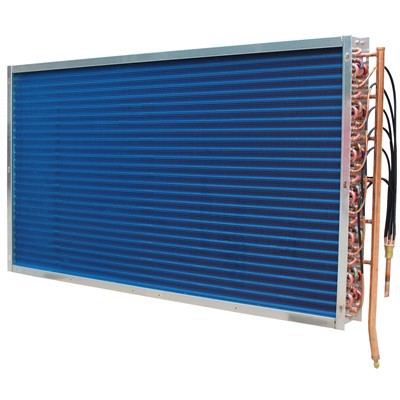
Let’s start with the basics. A condenser is a crucial component in many cooling and refrigeration systems. It’s responsible for turning a vapor into a liquid by removing heat from it. This process is essential for maintaining the right temperature in everything from your home fridge to large industrial cooling units.
Now, when it comes to noise, condensers can vary quite a bit. The noise level of a condenser depends on several factors, and understanding these can help you make a more informed decision when choosing the right one for your needs.
Factors Affecting Condenser Noise
1. Fan Design and Speed
One of the main sources of noise in a condenser is the fan. The fan helps to move air over the condenser coils, facilitating the heat transfer process. Different fan designs can produce different levels of noise. For example, fans with larger blades may move more air at a lower speed, which can result in less noise compared to smaller, high – speed fans.
The speed of the fan also plays a big role. A high – speed fan will generally make more noise than a slower one. Some condensers come with variable – speed fans. These fans can adjust their speed based on the cooling requirements. When the demand is low, the fan can slow down, reducing the noise level.
2. Compressor Type
The compressor is another major contributor to condenser noise. There are different types of compressors, such as reciprocating, rotary, and scroll compressors. Each type has its own noise characteristics.
Reciprocating compressors are known for their piston – like motion. This motion can create a rhythmic thumping noise, especially if the compressor is old or not well – maintained. Rotary compressors, on the other hand, tend to be quieter because their operation is more smooth and continuous. Scroll compressors are also relatively quiet and efficient. They use two spiral – shaped scrolls to compress the refrigerant, resulting in a more consistent and less noisy operation.
3. Installation and Mounting
How a condenser is installed and mounted can have a significant impact on its noise level. If the condenser is not properly installed, it can vibrate against the mounting surface, causing additional noise. For example, if the condenser is placed on a hard, unyielding surface, the vibrations can be amplified. Using rubber mounts or vibration – isolating pads can help reduce the transmission of vibrations and, therefore, the noise.
The location of the condenser also matters. If it’s placed in a confined space or near a wall, the sound can bounce off the surfaces and become louder. It’s best to install the condenser in an open area with good ventilation to allow the noise to disperse.
4. Refrigerant Flow
The flow of refrigerant through the condenser can also contribute to noise. A smooth and consistent refrigerant flow is ideal for minimizing noise. If there are blockages or restrictions in the refrigerant lines, it can cause turbulent flow, which in turn can generate noise. Regular maintenance, including checking for leaks and ensuring proper refrigerant levels, can help keep the refrigerant flow smooth and quiet.
Measuring Condenser Noise
The noise level of a condenser is typically measured in decibels (dB). A normal conversation is usually around 60 dB, while a quiet library might be around 40 dB. Most condensers for residential use have noise levels in the range of 50 – 70 dB. Industrial condensers, which are often larger and more powerful, can have noise levels up to 85 dB or more.
When you’re looking at a condenser, the manufacturer should provide you with the noise level specifications. It’s a good idea to compare the noise levels of different models before making a purchase. You can also visit a showroom or ask for a demonstration to get a feel for the actual noise level.
Reducing Condenser Noise
If you’re concerned about the noise from your condenser, there are several things you can do to reduce it.
1. Soundproofing
You can use soundproofing materials around the condenser to absorb and block the noise. There are special soundproofing blankets and enclosures available that can be installed around the condenser. These materials are designed to reduce the noise level by absorbing the sound waves.
2. Maintenance
Regular maintenance is crucial for keeping your condenser running quietly. This includes cleaning the condenser coils, checking the fan blades for damage, and ensuring that the compressor is in good working condition. A well – maintained condenser will generally produce less noise.
3. Upgrading to a Quieter Model
If your current condenser is too noisy, you might consider upgrading to a newer, quieter model. As technology advances, manufacturers are constantly improving the design of condensers to reduce noise levels. Newer models often use more efficient fans and compressors, resulting in a quieter operation.
Why Choose Our Condensers
As a condenser supplier, we take pride in offering high – quality condensers with low noise levels. Our team of experts carefully selects the components and designs to ensure that our condensers are not only efficient but also quiet.
We use the latest fan and compressor technologies to minimize noise. Our variable – speed fans can adjust to the cooling needs, providing the right amount of air flow while keeping the noise to a minimum. Our scroll compressors are known for their smooth and quiet operation, making them a great choice for both residential and commercial applications.
We also pay close attention to the installation and mounting of our condensers. We provide detailed installation instructions and can offer support to ensure that your condenser is installed correctly, reducing the risk of excessive noise.
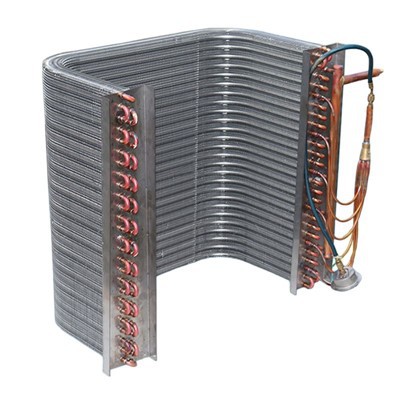
If you’re in the market for a condenser and noise is a concern for you, we’d love to hear from you. Our team can help you choose the right condenser for your specific needs and budget. Whether you need a condenser for your home, office, or industrial facility, we’ve got you covered.
Finned Tube So, if you’re interested in learning more about our condensers or have any questions about noise levels, don’t hesitate to reach out. We’re here to help you make the best decision for your cooling needs.
References
- ASHRAE Handbook of Refrigeration
- Manufacturer’s specifications of various condenser models
- Research papers on condenser noise reduction
Xiangshui Derkang Refrigeration Equipment Co., Ltd.
As one of the most professional condenser manufacturers in China, we’re featured by quality products and low price. If you’re going to buy discount condenser, welcome to get quotation from our factory. We also accept customized orders.
Address: No. 2, Xiaojian Town Entrepreneurship Park, Xiangshui County
E-mail: 505745223@qq.com
WebSite: https://www.xsderk.com/
