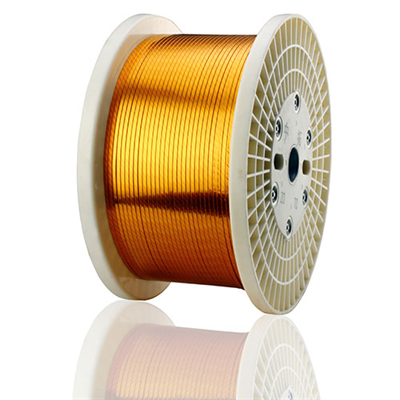
As a supplier of wrapped wire, I’ve witnessed firsthand the widespread use and many advantages of this versatile product. However, it’s important to have an open and honest discussion about its potential drawbacks. In this blog post, I’ll delve into some of the disadvantages of using wrapped wire, providing a balanced perspective for those considering its use. Wrapped Wire
1. Cost Considerations
One of the primary disadvantages of wrapped wire is its cost. The process of wrapping wire involves additional materials and labor, which can significantly increase the overall price compared to bare wire. The wrapping material itself, whether it’s insulation, shielding, or a decorative covering, adds to the expense. Moreover, the machinery and expertise required to perform the wrapping process accurately and efficiently also contribute to the higher cost.
For large – scale projects where cost is a major concern, the price difference between wrapped wire and bare wire can be a deciding factor. For example, in some construction projects where a large quantity of wire is needed for basic electrical wiring, the additional cost of wrapped wire may not be justifiable, especially if the environment does not require the extra protection provided by the wrapping.
2. Limited Flexibility
Wrapped wire generally has less flexibility compared to bare wire. The outer wrapping adds a layer of stiffness, which can make it more difficult to bend and shape the wire as needed. This lack of flexibility can be a significant drawback in applications where the wire needs to be routed through tight spaces or around obstacles.
In automotive wiring, for instance, wires often need to be bent and routed through narrow channels and around various components. The reduced flexibility of wrapped wire can make the installation process more time – consuming and challenging. Additionally, if the wire needs to be frequently moved or adjusted during use, the lack of flexibility can lead to stress on the wire and potentially cause damage to the wrapping or the wire itself over time.
3. Heat Dissipation Issues
Another disadvantage of wrapped wire is its potential to impede heat dissipation. The outer wrapping acts as an insulating layer, which can trap heat generated by the wire during operation. In applications where the wire carries a significant amount of current, such as in high – power electrical systems, heat buildup can be a serious problem.
Excessive heat can reduce the efficiency of the wire, increase energy consumption, and even pose a safety risk. For example, in a power distribution system, if the wrapped wires cannot dissipate heat effectively, the insulation may degrade over time, leading to short – circuits or electrical fires. This is particularly concerning in enclosed spaces or areas with limited ventilation, where heat dissipation is already a challenge.
4. Environmental Sensitivity
Wrapped wire can be more sensitive to certain environmental conditions compared to bare wire. The outer wrapping, depending on the material, may be susceptible to damage from exposure to chemicals, moisture, sunlight, or extreme temperatures.
In industrial settings where the wire may come into contact with corrosive chemicals, the wrapping material may degrade, exposing the wire to potential corrosion. Similarly, in outdoor applications, prolonged exposure to sunlight can cause the wrapping to become brittle and crack, reducing its effectiveness as a protective layer. In cold environments, the wrapping may become stiff and less flexible, increasing the risk of damage during installation or handling.
5. Recycling Challenges
Recycling wrapped wire is more complex than recycling bare wire. The outer wrapping needs to be separated from the wire before the metal can be recycled. This separation process can be costly and time – consuming, often requiring specialized equipment and techniques.
In some cases, the wrapping material may not be recyclable at all, which can contribute to environmental waste. As environmental concerns become increasingly important, the difficulty of recycling wrapped wire can be a significant drawback for companies looking to reduce their environmental impact.
6. Installation Complexity
Installing wrapped wire can be more complex than installing bare wire. The extra layer of wrapping requires more careful handling to avoid damage. For example, when stripping the ends of the wire for connection, it’s important to ensure that the wrapping is removed cleanly without damaging the wire underneath.
In addition, the presence of the wrapping can make it more difficult to make proper electrical connections. The wrapping may need to be carefully trimmed or folded back to ensure a good contact between the wire and the connector. This added complexity can increase the installation time and require more skilled labor, which can further add to the overall cost of a project.
7. Compatibility Issues
In some cases, wrapped wire may have compatibility issues with certain electrical components or systems. The outer wrapping may interfere with the proper functioning of connectors or sensors. For example, the thickness of the wrapping may prevent a connector from fitting snugly around the wire, leading to a loose or unreliable connection.
In high – frequency applications, the wrapping material may also introduce electrical losses or signal interference. The dielectric properties of the wrapping can affect the electrical characteristics of the wire, potentially degrading the performance of the system.
Conclusion
While wrapped wire offers many benefits, such as protection from environmental factors, insulation, and improved aesthetics, it’s important to be aware of its potential disadvantages. Cost, limited flexibility, heat dissipation issues, environmental sensitivity, recycling challenges, installation complexity, and compatibility issues are all factors that need to be considered when deciding whether to use wrapped wire.
At our company, we understand that every project has its unique requirements. We’re here to help you make an informed decision about whether wrapped wire is the right choice for your application. Our team of experts can provide you with detailed information about the pros and cons, and help you select the most suitable wire for your needs.
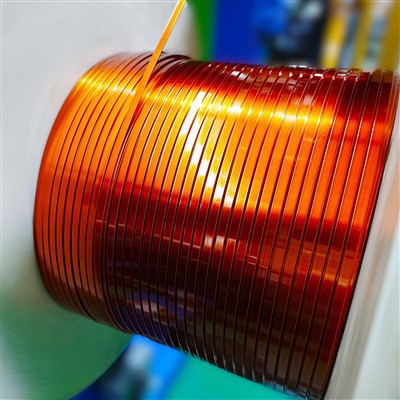
Enameled Flat Wire If you’re interested in learning more about our wrapped wire products or exploring other options, we encourage you to contact us. We’d be happy to discuss your project requirements and work with you to find the best solution. Whether you’re a small business owner or a large – scale contractor, we’re committed to providing you with high – quality products and excellent customer service.
References
- Electrical Installation Handbook
- Industrial Wiring Standards and Practices
- Environmental Impact of Electrical Wires Research Reports
Tianjin Jingwei Power Technology Co., Ltd.
As one of the most professional wrapped wire manufacturers and suppliers in China, we’re featured by quality products and good service. Please rest assured to buy durable wrapped wire made in China here from our factory. Contact us for more details.
Address: No.1 Chuangxin Rd. Xiaozhan Industrial Park, Jinnan District, Tianjin, China
E-mail: info@jwdc.cn
WebSite: https://www.jw-dcs.com/
