Hey there! I’m a supplier of aluminum die castings, and I’ve been in this game for quite a while. One of the most common questions I get from my customers is how to improve the chemical stability of aluminum die castings. Well, I’m here to share some tips and tricks that I’ve picked up over the years. Aluminum Die Castings
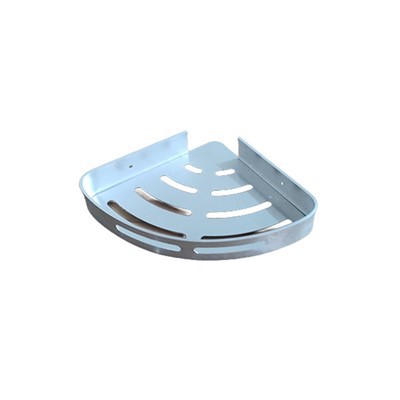
First off, let’s understand why chemical stability is so important. Aluminum die castings are used in a wide range of industries, from automotive to electronics. In these applications, they often come into contact with various chemicals, moisture, and environmental factors. If the castings aren’t chemically stable, they can corrode, degrade, and lose their structural integrity over time. This not only affects the performance of the final product but also leads to costly replacements and maintenance.
1. Alloy Selection
The choice of alloy is the foundation for improving chemical stability. Different aluminum alloys have different chemical compositions, which directly affect their resistance to corrosion. For example, alloys with a higher percentage of magnesium (Mg) tend to have better corrosion resistance in some environments. The magnesium forms a protective oxide layer on the surface of the casting, which acts as a barrier against chemical attack.
Alloys like A356 and A357 are popular choices for applications where chemical stability is crucial. These alloys contain silicon (Si) and magnesium, which provide good strength and corrosion resistance. On the other hand, alloys with high copper (Cu) content may be more prone to corrosion in certain environments, especially in the presence of moisture and salts. So, when selecting an alloy for your die castings, you need to consider the specific chemical environment in which the castings will be used.
2. Surface Treatment
Surface treatment is another key factor in enhancing the chemical stability of aluminum die castings. There are several types of surface treatments available, and each has its own advantages.
Anodizing
Anodizing is a widely used surface treatment method. It involves creating an oxide layer on the surface of the aluminum casting through an electrolytic process. The anodized layer can be controlled in terms of thickness and porosity, which can be tailored to suit different applications. Anodized aluminum die castings have excellent corrosion resistance, as well as improved wear resistance and aesthetic appeal. The thickness of the anodized layer can range from a few microns to several tens of microns, depending on the requirements.
Electroplating
Electroplating is another option. You can plate the aluminum die castings with other metals, such as zinc (Zn), nickel (Ni), or chrome (Cr). These coatings can provide a physical barrier against chemical attack. For example, zinc plating can act as a sacrificial anode, protecting the aluminum substrate from corrosion. However, electroplating requires careful pre – treatment of the aluminum surface to ensure good adhesion of the coating.
Powder Coating
Powder coating is a cost – effective and environmentally friendly surface treatment method. It involves applying a dry powder to the surface of the casting, which is then cured under heat. The powder coating forms a durable and protective layer that can resist chemicals, UV rays, and abrasion. It also comes in a wide range of colors and finishes, giving you more options for customization.
3. Casting Process Control
The casting process itself also plays a significant role in the chemical stability of aluminum die castings.
Melting and Pouring
During the melting process, it’s important to keep the molten aluminum clean. Impurities in the molten metal can affect the quality of the casting and its chemical stability. You need to use high – quality raw materials and proper melting techniques. For example, using a degassing process to remove hydrogen from the molten metal can reduce the formation of porosity in the casting, which can otherwise provide a pathway for chemical attack.
The pouring temperature and speed also need to be carefully controlled. If the pouring temperature is too high, it can cause excessive oxidation of the aluminum, which can weaken the casting and reduce its corrosion resistance. On the other hand, if the pouring temperature is too low, it can lead to incomplete filling of the mold and the formation of defects.
Mold Design and Cooling
The mold design can affect the solidification process of the aluminum casting. A well – designed mold can ensure uniform cooling of the casting, which helps to reduce internal stresses and improve the overall quality of the casting. Uneven cooling can lead to the formation of cracks and porosity, which can compromise the chemical stability of the casting.
Proper cooling rates are also crucial. Rapid cooling can result in a fine – grained structure, which generally has better corrosion resistance than a coarse – grained structure. However, if the cooling rate is too fast, it can cause excessive internal stresses and cracking.
4. Quality Control and Testing
Once the aluminum die castings are produced, quality control and testing are essential to ensure their chemical stability.
Visual Inspection
Visual inspection is the first step. You need to check for any visible defects, such as cracks, porosity, or surface irregularities. These defects can provide entry points for chemicals and reduce the corrosion resistance of the casting.
Chemical Analysis
Chemical analysis can be used to verify the composition of the alloy. This helps to ensure that the casting is made from the correct alloy and that the chemical elements are within the specified ranges. Any deviation from the standard composition can affect the chemical stability of the casting.
Corrosion Testing
Corrosion testing is the most direct way to evaluate the chemical stability of aluminum die castings. There are several types of corrosion tests, such as salt spray tests, immersion tests, and humidity tests. These tests simulate different chemical environments and can help you determine how well the castings will perform in real – world applications.
5. Storage and Handling
Even after the castings are produced and tested, proper storage and handling are important to maintain their chemical stability.
You should store the aluminum die castings in a dry and clean environment. Moisture and dirt can accelerate the corrosion process. If possible, use protective packaging materials to prevent scratches and contamination during storage and transportation.
When handling the castings, make sure to use clean tools and equipment. Contact with certain chemicals or metals during handling can also cause corrosion.
In conclusion, improving the chemical stability of aluminum die castings requires a comprehensive approach that includes alloy selection, surface treatment, casting process control, quality control and testing, and proper storage and handling. By paying attention to these aspects, you can ensure that your aluminum die castings have excellent chemical stability and can meet the requirements of various applications.
If you’re in the market for high – quality aluminum die castings with excellent chemical stability, don’t hesitate to reach out to me for a procurement discussion. I’d be more than happy to help you find the best solutions for your specific needs.
Stamped Metal Parts References:
- "Aluminum Die Casting Handbook"
- "Corrosion Science and Engineering of Aluminium Alloys"
- Technical papers on aluminum casting processes from industry conferences
Yuyao Aozhou Metal Products Co., Ltd.
We are one of the most experienced aluminum die castings manufacturers and suppliers in China. With a professional production team, we are able to meet the needs of the majority of our customers. Please rest assured to buy customized aluminum die castings made in China here from our factory.
Address: No.6, Nanbailonggang, Wuma Industrial Zone, Lubu Town, Yuyao City
E-mail: xqr-2316@163.com
WebSite: https://www.cnaozhou.com/
