Micro expanded metal is a versatile and widely used material in various industries, known for its unique structure and properties. One of the key aspects that potential buyers often inquire about is its chemical resistance. As a supplier of micro expanded metal, I’m well – versed in the details of this characteristic, and I’m excited to share this knowledge with you. Micro Expanded Metal

Understanding Micro Expanded Metal
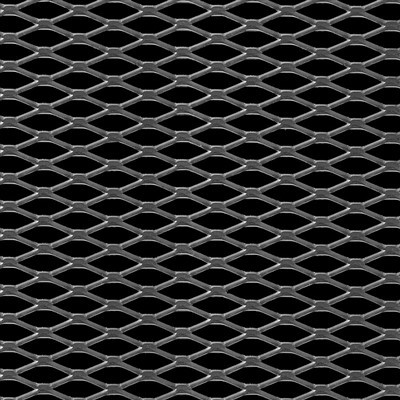
Before delving into its chemical resistance, let’s briefly understand what micro expanded metal is. It is created through a process where a sheet of base metal is slit and stretched, forming a pattern of diamond – shaped or other geometric openings. The resulting material has an open, lattice – like structure, which offers a high strength – to – weight ratio, excellent ventilation, and unique aesthetic qualities. Common base metals for micro expanded metal include stainless steel, aluminum, and mild steel.
Factors Affecting Chemical Resistance
Several factors influence the chemical resistance of micro expanded metal:
1. Base Metal Composition
The type of base metal is the most significant factor.
- Stainless Steel: Stainless steel micro expanded metal is renowned for its outstanding chemical resistance. It contains chromium, which forms a passive oxide layer on the surface. This layer acts as a barrier, protecting the metal from corrosion caused by a wide range of chemicals, including acids, alkalis, and salts. For example, in the food and beverage industry, where contact with acidic substances like fruit juices and mild cleaning agents is common, stainless steel micro expanded metal is an ideal choice. It can withstand the acidic environment without significant degradation, ensuring long – term use and maintaining the integrity of the equipment or structure it is used in.
- Aluminum: Aluminum micro expanded metal also has good chemical resistance, especially in environments with low – pH values. It forms a thin, protective oxide layer when exposed to air, which provides some level of corrosion resistance. However, it is more susceptible to attack by strong alkalis. In applications such as outdoor architectural facades, where it may be exposed to rain (which can have a slightly acidic pH), aluminum micro expanded metal can perform well. But in industrial settings with high – concentration alkaline solutions, special coatings may be required to enhance its resistance.
- Mild Steel: Mild steel has the least chemical resistance among the common base metals. It is prone to rusting when exposed to moisture and oxygen. In a chemical – containing environment, mild steel micro expanded metal will corrode relatively quickly. However, it can be treated with coatings such as galvanizing or painting to improve its chemical resistance. Galvanized mild steel has a layer of zinc coating, which sacrificially protects the steel from corrosion. This makes it suitable for use in some light – industrial applications where the chemical exposure is relatively mild.
2. Surface Finish
The surface finish of micro expanded metal can significantly impact its chemical resistance. A smooth, polished surface is less likely to trap chemicals or contaminants compared to a rough surface. Additionally, special surface treatments such as passivation (for stainless steel) can further enhance the chemical resistance. Passivation involves removing free iron particles from the surface and promoting the formation of a thicker and more stable passive oxide layer, thus increasing the metal’s resistance to corrosion.
3. Environmental Conditions
The specific chemicals present in the environment, as well as factors like temperature, humidity, and exposure time, play crucial roles. High temperatures can accelerate chemical reactions, making the metal more vulnerable to corrosion. High humidity can also increase the rate of corrosion, especially for metals that are prone to rust. For example, in a coastal industrial area, where the air is humid and contains salt particles, the chemical resistance requirements for micro expanded metal are much higher.
Chemical Resistance in Different Industries
1. Chemical Processing Industry
In the chemical processing industry, micro expanded metal is used in various equipment such as filters, trays, and support structures. The high chemical resistance of stainless steel micro expanded metal makes it a preferred choice. It can withstand the harsh chemicals used in chemical reactions, including acids like sulfuric acid and hydrochloric acid, and alkalis such as sodium hydroxide. This allows the equipment to operate efficiently and safely over long periods without the need for frequent replacements.
2. Pharmaceutical Industry
The pharmaceutical industry has strict requirements for the materials used in its manufacturing processes. Micro expanded metal is used in filtration systems and other equipment. Stainless steel micro expanded metal, with its excellent chemical resistance and hygienic properties, meets the strict standards of the pharmaceutical industry. It can resist the disinfectants and cleaning agents used to maintain a sterile environment, ensuring the quality and safety of the pharmaceutical products.
3. Food and Beverage Industry
As mentioned earlier, the food and beverage industry often deals with acidic and basic substances. Micro expanded metal is used in conveyors, sieves, and other equipment. Stainless steel micro expanded metal is the go – to material due to its resistance to food – related acids and alkalis, as well as its ease of cleaning and sanitization. It helps prevent contamination of the food products and ensures compliance with food safety regulations.
Testing Chemical Resistance
To accurately determine the chemical resistance of micro expanded metal, various testing methods are employed:
1. Immersion Testing
In immersion testing, samples of micro expanded metal are immersed in a specific chemical solution for a set period. The concentration of the chemical, the temperature, and the duration of immersion are carefully controlled. After the immersion, the samples are inspected for signs of corrosion, such as discoloration, pitting, or weight loss. This test provides a direct measure of the metal’s resistance to the particular chemical under the specified conditions.
2. Salt Spray Testing
Salt spray testing is commonly used to simulate the corrosive effects of a marine environment. The samples are exposed to a fine mist of saltwater in a controlled chamber. The exposure time can range from several hours to several weeks, depending on the requirements. This test helps evaluate the metal’s resistance to corrosion caused by salt and moisture, which is important for outdoor and coastal applications.
3. Electrochemical Testing
Electrochemical testing measures the electrochemical behavior of the metal in a chemical solution. It can provide information about the corrosion rate, the passivation behavior, and the susceptibility to localized corrosion. This type of testing is more sophisticated and can give detailed insights into the metal’s chemical resistance properties.
Conclusion and Call to Action
The chemical resistance of micro expanded metal is a complex and important characteristic that depends on multiple factors. As a supplier, we understand the diverse needs of different industries and can provide the most suitable micro expanded metal products based on your specific chemical – exposure requirements. Whether you are in the chemical processing, pharmaceutical, food and beverage, or any other industry, we have the expertise to assist you in selecting the right material.
Expanded Metal If you are looking for high – quality micro expanded metal with excellent chemical resistance, we invite you to contact us for a detailed discussion. Our team of experts is ready to answer your questions, provide technical support, and offer competitive pricing. We can work with you to find the perfect solution for your project.
References
- ASM Handbook Committee. "Corrosion", ASM Handbook, Volume 13A, ASM International, 2003.
- Schweitzer, Philip A. "Corrosion Resistance Tables", 5th Edition, McGraw – Hill, 2004.
- Metals Handbook Committee. "Properties and Selection: Irons, Steels, and High – Performance Alloys", Metals Handbook, Volume 1, ASM International, 1990.
Anping Yilida Metal Wire Mesh Co., Ltd.
Anping Yilida Metal Wire Mesh Co., Ltd. is one of the most reliable micro expanded metal manufacturers and suppliers in China, also supports customized service. Please feel free to buy bulk high quality micro expanded metal made in China here from our factory.
Address: Wire Mesh Development Zone, Anping, Hebei Province, China
E-mail: sales@wiremesh-yg.cn
WebSite: https://www.yilidametal.com/
