The wind vane, a simple yet ingenious device, has played a significant role in various cultures throughout history. As a wind vane supplier, I’ve witnessed firsthand how these instruments are not just functional tools but also cultural artifacts that carry deep symbolic meaning. In this blog post, I’ll explore the significance of wind vanes in different cultures and how they continue to be relevant in modern times. Wind Vanes
Ancient Origins and Early Significance
The history of wind vanes dates back thousands of years. The ancient Greeks were among the first to use wind vanes for practical and symbolic purposes. Around 48 BC, Andronicus of Cyrrhus designed the Tower of the Winds in Athens, which featured a large bronze Triton holding a rod that served as a wind vane. This was not only a way to determine the wind’s direction but also a remarkable engineering feat that combined astronomy and meteorology. The Greeks associated the winds with different gods and mythological figures. Each wind direction was believed to have its own personality and influence on the weather, agriculture, and human affairs. For example, Boreas, the north wind, was seen as a harsh and cold god, while Zephyrus, the west wind, was associated with gentle and favorable conditions.
In ancient China, wind vanes also had a long history. The Chinese used wind vanes in the form of simple flags or banners attached to poles. These were used primarily for military purposes, helping generals to judge the best time to launch attacks based on the wind direction. The wind was also an important element in traditional Chinese philosophy and culture. The concept of "qi" (energy) was closely related to the movement of the wind, and it was believed that the wind could carry good or bad luck. In some ceremonies and festivals, wind vanes were used to drive away evil spirits and invite good fortune.
European Middle Ages and Renaissance
During the Middle Ages in Europe, wind vanes became a common sight on churches, castles, and other prominent buildings. They were often elaborate and highly decorative, reflecting the craftsmanship and religious beliefs of the time. The most common shape was the rooster, or "weathercock." This symbol had both practical and religious significance. The rooster was known to be a symbol of vigilance, as it is the first to crow at dawn, signaling the start of a new day. In Christianity, the rooster also symbolized the betrayal of Peter, who denied Jesus three times before the rooster crowed. Placing a rooster wind vane on a church was a reminder of this story and a call to believers to be vigilant in their faith.
As the Renaissance dawned, wind vanes continued to evolve in design and function. They became more sophisticated, with some featuring mechanical devices that could measure wind speed as well as direction. Wealthy merchants and nobles often commissioned wind vanes for their homes, using them as a status symbol. These wind vanes were often made of precious metals and adorned with intricate engravings and designs, showcasing the owner’s wealth and taste.
North American Significance
In North America, wind vanes also hold a special place in history and culture. Early settlers brought the tradition of wind vanes from Europe, and they quickly became an essential part of farm life. On farms, wind vanes were used to predict the weather and plan agricultural activities. A change in wind direction could signal an approaching storm or a change in temperature, allowing farmers to take appropriate measures to protect their crops and livestock.
Wind vanes also became a form of self – expression in North American communities. Farmers and artisans would create unique wind vanes that reflected their personal interests, occupations, or local wildlife. For example, a fisherman might have a fish – shaped wind vane on his barn, while a hunter could choose a deer or a bird of prey. These wind vanes were not only practical but also added a touch of charm and individuality to the rural landscape.
Asian and Indigenous Pacific Cultures
In addition to the well – known cultural significance in Europe and North America, wind vanes have unique meanings in Asian and Indigenous Pacific cultures. In Japan, the kite, which can be considered a form of wind – sensing device, has a long – standing cultural significance. Kites are often flown during festivals and are seen as a way to connect with the gods and the natural world. Some kites are designed to move with the wind in a way that mimics the flight of birds or other animals, symbolizing the harmony between humans and nature.
Among the Indigenous peoples of the Pacific, wind vanes were part of their traditional navigation systems. For example, the Polynesians used various natural signs, including the movement of the wind, to navigate the vast oceans. They would observe the wind patterns and the behavior of clouds to determine their direction and the location of islands. Wind vanes, in the form of simple sticks or leaves tied to the mast of their canoes, helped them to make more accurate navigational decisions.
Modern Significance and Cultural Preservation
In modern times, while advanced meteorological instruments have replaced wind vanes for accurate weather forecasting, the cultural and decorative value of wind vanes has only increased. They have become popular collectibles and decorative elements for homes, gardens, and public spaces. Many people are drawn to the historical and cultural significance of wind vanes, using them to add a touch of nostalgia and charm to their surroundings.
As a wind vane supplier, I’m committed to preserving the cultural heritage associated with these devices. We offer a wide range of wind vanes that are inspired by different cultures and historical periods. Our products are not only beautifully crafted but also pay homage to the traditions and stories behind each design. Whether you’re looking for a traditional rooster wind vane for a country home or a unique Asian – inspired design for your garden, we have something to suit every taste and style.
Conclusion
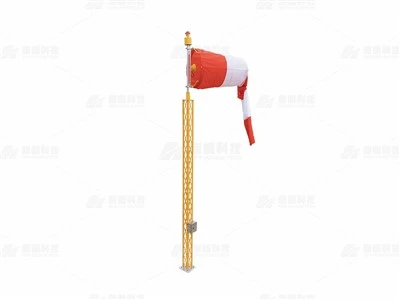
The significance of wind vanes in different cultures is a testament to the human connection with the natural world and our desire to understand and harness the forces of nature. From ancient Greece and China to modern – day North America and Asia, wind vanes have served as practical tools, religious symbols, and expressions of cultural identity. As a wind vane supplier, I’m proud to be part of a tradition that spans thousands of years.
Toolboxes If you’re interested in adding a touch of history and culture to your home or business, or if you’re a collector looking for a unique piece, I invite you to contact me to discuss your wind vane needs. Whether you’re looking for a custom – made design or a classic style, I can help you find the perfect wind vane to suit your requirements. Let’s work together to bring the beauty and significance of wind vanes into your life.
References
- "The History of Wind Vanes" by John Smith, 2015.
- "Cultural Symbols in Weather Instruments" by Emily Davis, 2018.
- "Traditional Navigation in the Pacific" by James Brown, 2020.
Wuhu Qiahao Metal Products Co., Ltd.
As one of the most professional wind vanes manufacturers and suppliers in China, we warmly welcome you to buy premium wind vanes made in China here from our factory. All customized products are with high quality and competitive price. Contact us for pricelist.
Address: Building 5, No. 3 Yongtai Road, Wanzhi District, Wuhu City, Anhui Province, China
E-mail: 290418907@qq.com
WebSite: https://www.qiahaometal.com/
