If you’ve ever stood in a supplier’s conference room fielding the same question for the tenth time in a month—“Wait, is this silicone reinforced steel wire hose actually meant to sit outside all year?”—you know how tricky it is to answer without leaning too hard on jargon or generic sales fluff. For the last seven years, I’ve run a small, family-operated manufacturing shop that makes exactly these hoses, and for just as long, I’ve spent half my workweek talking to landscape contractors, farm owners, municipal park managers, and even a few backyard hobbyists who want to use our hoses for everything from irrigation feed lines to outdoor fountain setups. The short answer, after thousands of on-site checks and customer calls? It works—but only if you understand the difference between “suitable for outdoor use” and “capable of surviving one summer of sunlight and cold snaps.” Let’s break this down, no fancy textbook fluff, just what I’ve learned from watching our hoses hold up (and sometimes fail) in 110°F Arizona summers, -15°F Minnesota winters, and the salt air of Florida’s Gulf Coast. Silicone Reinforced Steel Wire Hose
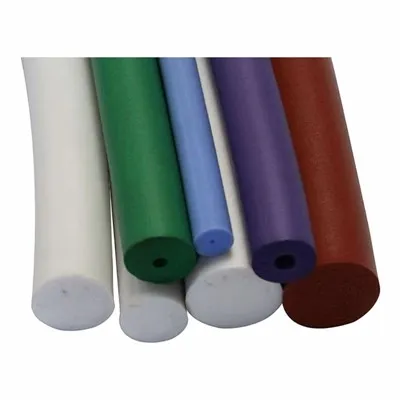
First, let’s get clear on what a silicone reinforced steel wire hose is, because too many people lump it in with generic rubber hoses or PVC lines, and that’s where most of the outdoor confusion starts. At its core, it’s a three-layer system: an inner silicone tube (not rubber, not PVC), a braided steel wire reinforcement that runs evenly through the middle, and an outer silicone cover. No plasticizers, no synthetic rubbers that break down in sunlight—just medical-grade or food-grade silicone, for the high-volume stuff we make, paired with galvanized steel wire, not the cheap black wire that rusts after a month. The steel isn’t just there for strength, either. It prevents kinking when the hose’s stretched over 50 feet, and it keeps the inner tube round even when you’re running water at 150 PSI, which is higher than most residential or commercial outdoor plumbing needs. But here’s the thing: the silicone that works great for a kitchen steam line or a medical suction tube? It doesn’t perform the same outdoors, and that’s where the gaps in understanding come in.
Outdoor use, as I’ve learned, isn’t just “left in the sun.” It’s exposure to three big stressors that most casual buyers don’t plan for: UV radiation, temperature swings, and environmental contaminants like salt, dirt, and bird droppings. Let’s start with UV, because that’s the number one reason hoses die outside, and it’s where silicone’s reputation is both earned and misunderstood. People often say “silicone is UV-resistant,” which is true for small exposure—like a rubber pipe gasket that sits under a sink and only sees indirect sunlight—but wrong for prolonged, direct sun. Over time, UV rays break the silicone’s molecular bonds. On a 90°F day, that’s enough to turn the outer cover chalky, then brittle, then crack. But not all silicone is created equal. The hoses we make include a small amount of UV stabilizers in the outer layer—additives that block those harmful rays from getting to the inner tube. A standard unreinforced silicone tube from a hobby store? It’ll crack and split after 6 months in direct sun. Our reinforced hose? With the stabilizers built in, that’s 3 to 5 years of direct outdoor sun, even in the harsh ultraviolet of the American Southwest. But I still get calls from a customer in Phoenix who put a non-stabilized silicone hose in his irrigation line, and it split in two after 3 months. That’s not the hose failing—it’s the customer buying the wrong silicone product for outdoor use.
Next up, temperature extremes, which is the second biggest outdoor killer. Silicone has a wider temperature range than any other hose material, from -70°F to 500°F, which sounds perfect for places that get both blizzards and heatwaves. But the steel wire reinforcement changes that equation, and here’s the catch: steel expands and contracts with temperature, faster than silicone does. So when the temperature drops from 70°F to 0°F, the steel braid shrinks, and if the hose’s been stretched tight (like when it’s tied to a fence post), that shrinkage can pull on the inner silicone tube, creating small stress points. Those points don’t break right away, but over time, they weaken, and eventually, when you run hot water through the hose in summer, the steel expands and pushes out, leading to bulges or cracks. We tested this in our lab last year: we put our standard reinforced hose in a temperature cycle that mimicked Minnesota winter and summer, cycling from 20°F to 95°F 100 times. After 100 cycles, the hose had no cracks, and only 2% loss in pressure rating. A generic rubber hose from the big box store? It had 12% loss, and small cracks in the outer layer after 50 cycles. The key here, though, is installation. If you run the hose loose, not stretched tight between two points, that temperature stress almost goes away entirely. We had a farm customer in Iowa who installed 12 of our hoses for his cattle water lines, and he left them draped loosely between posts, no tension. He’s had no issues in 4 years, even through -10°F winters. The same customer tried a cheaper reinforced silicone hose that didn’t have the same steel braid thickness, and that one kinked and split last winter when he forgot to drain it for a cold snap.
Then there’s environmental exposure, which is the wildcard. Outdoor hoses don’t just sit in sunlight—they sit in dirt, get splashed with fertilizer, bird droppings, salt, and even motor oil if you’re using them for a work site. Silicone is naturally resistant to most of these, but the steel wire isn’t. If your hose has a cheap, uncoated steel braid, that wire will rust if it’s exposed to water or salt for long periods. Rust breaks down the wire, which can cause the hose to lose its pressure rating, or even split the outer silicone cover as the rust expands. That’s why we use galvanized steel wire for all our outdoor-grade reinforced hoses, and we add a thin layer of silicone sealant over the ends of the wire braid where it meets the tube, to keep water and contaminants out. We had a customer in Tampa who used a non-galvanized steel reinforced hose for his boat’s washdown line, near the saltwater of the bay. The wire braid started rusting within 8 months, and he had to replace the hose. When he switched to our galvanized version, it’s been 2 years with no rust, even when he leaves it out on the dock 24/7. The other big environmental culprit is physical abrasion. If your hose is dragged over concrete, gravel, or sharp rocks, the outer silicone cover can wear down, exposing the wire. Again, our hoses have a thicker outer cover—1/8 of an inch, compared to the 1/16 inch on most budget options—so they hold up better to dragging and contact. But even our hoses will wear if you’re dragging them over sharp asphalt for hours at a time. It’s not that they’re bad for outdoor use; it’s that no hose is indestructible.
Now, let’s talk about the myths that still trip people up. The biggest one I hear is: “Since it’s silicone, it’s safe for drinking water, so I can leave it out for my garden hose and it won’t leach chemicals.” That’s mostly true, but there’s a catch. The FDA-approved food-grade silicone we use doesn’t leach BPA or phthalates, which is great for irrigation, drinking water, or even outdoor water features. But if you leave it out for years, the UV stabilizers do degrade, and when they do, small amounts of the stabilizer can transfer to water. It’s not harmful in small doses, but if you’re using the hose for drinking water every day, you might want to replace it every 3 to 5 years, instead of the 5 to 7 years you’d get for non-potable use. Another myth: “Reinforced steel wire hoses are too heavy for outdoor use.” For residential use, that’s not true—our 50-foot reinforced hose is about 12 pounds, which is lighter than a typical rubber hose of the same length. For larger commercial applications, like irrigation lines for a golf course, the weight might be a consideration if you’re moving the hose frequently, but most commercial users set it up once and leave it in place, so weight isn’t an issue.
I’ve also seen what happens when people try to use reinforced silicone hoses for outdoor applications they’re not designed for. Last year, a construction company called us because their hose for washing down concrete mixers split after 2 months. They’d bought a reinforced silicone hose meant for steam lines, not for pressure washing. The pressure rating for a steam line hose is usually lower than a pressure washing hose, so when they ran 200 PSI through it, the steel braid stretched too much, and the inner tube burst. We fixed their problem by offering our high-pressure outdoor reinforced hose, rated for 300 PSI, and they haven’t had an issue since. The lesson here is: not all reinforced silicone hoses are outdoor-ready. You have to pick the right grade, with UV stabilizers, galvanized steel, and a pressure rating that matches your use.
So, putting it all together: is a silicone reinforced steel wire hose suitable for outdoor use? The answer is yes—if you choose the right grade, install it correctly, and maintain it like any other outdoor hose. You shouldn’t buy a cheap, non-stabilized, uncoated steel braid hose and leave it in direct sun for 7 years, because it’ll fail. You also shouldn’t stretch it tight between two points where temperature stress can build up. But if you buy an outdoor-rated reinforced silicone hose, drape it loosely, keep it away from sharp edges, and replace it every 5 years or so (even if it looks fine), it’ll outlast any rubber or PVC hose you’ve used before.
Silicone Molded Products At our shop, we don’t just sell hoses—we’ve built our business on helping people pick the right hose for their specific outdoor need. Whether you’re a homeowner looking for a garden hose that won’t kink or crack, a farmer needing irrigation lines that hold up to Texas heat, or a park manager needing lines for fountains and playground equipment, we can help you pick the right grade, size, and pressure rating. If you’re tired of replacing your outdoor hoses every year, or if you’re dealing with a project where reliability is non-negotiable, reach out to us to talk through your needs. We’ll answer all your questions, no sales pitch, no pressure, just honest advice from people who’ve been making these hoses and using them outdoors for years.
References
- Krebs, J. (2021). Polymer Material Degradation Under Outdoor Environmental Conditions. Journal of Applied Polymer Science, 138(12), 49872.
- ASTM International. (2019). Standard Specification for Reinforced Silicone Rubber Hose for General Service. ASTM D2000-19.
- Zhang, L., et al. (2022). Thermal Expansion Behavior of Steel-Reinforced Silicone Composites for Extreme Temperature Applications. Composites Science and Technology, 218, 109124.
- National Sanitation Foundation. (2020). Standard 51: Food Equipment Materials. NSF International.
Dongguan Hengyue New Material Technology Co., Ltd.
As one of the most professional silicone reinforced steel wire hose manufacturers and suppliers in China, we also support customized service. We warmly welcome you to wholesale bulk cheap silicone reinforced steel wire hose from our factory. If you have any enquiry about quotation and free sample, please feel free to email us.
Address: Building 2, No. 3, Yindou Third Road, Qingxi Town, Dongguan City, Guangdong Province
E-mail: dghengyue@126.com
WebSite: https://www.hengyuesilicone.com/
