Hey everyone, it’s Jake from [LAMINATED GLASS SUPPLIER NAME HERE] – before we dive into today’s question, quick heads-up: if you’re building or upgrading something in a super cold spot, you’ve probably wondered this too. Can laminated glass actually hold up when temps drop way below zero? Spoiler: the short answer is YES, but there’s way more to it than just slapping a laminated panel and calling it a day. I’ve been working with laminated glass for 12 years, and I’ve helped clients all over the world – from Alaska’s small towns to northern Canada – get this right, so let’s break it down like we’re chatting over a coffee, no jargon required. Laminated Glass
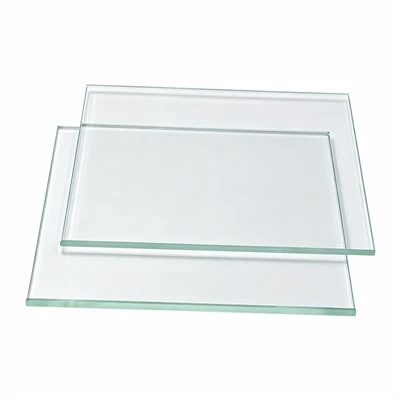
First off, let’s start with what laminated glass even is, because I still run into people who mix it up with regular old tempered glass. Laminated glass is two (or more) layers of glass bonded together with a thin, plastic interlayer – almost always polyvinyl butyral (PVB), though sometimes folks use ionoplast for specific uses. The big difference here? If it cracks, the interlayer holds all the tiny glass pieces in place, so nothing shatters everywhere. But when it’s cold, that interlayer does a weird thing – it gets stiffer, right? Way stiffer than it is in 70°F weather. So does that mean it’s less flexible, more likely to break? That’s the question I get all the time from architects and contractors in cold climates, and honestly, it’s not a simple yes or no.
Let’s get into the science quick, because that’s the part that scares most people off. Glass is brittle, but when it’s cold, it’s actually more brittle, right? But laminated glass’s real superpower here is that interlayer. Think of it like a car tire: in the dead of winter, your tire gets hard, but it doesn’t just snap because it’s designed to flex without breaking. Same with the PVB interlayer in laminated glass. I remember a client in Fairbanks, Alaska – they were building a community center a few years back, and they insisted on regular tempered glass for the exterior walls because they “didn’t trust that stuff in -30°F temps.” We talked them into testing our standard PVB laminated panels, and the local lab ran a thermal shock test – dropped the temp from 70°F to -40°F in 10 minutes, then hit it with a rock to simulate impact. The laminated glass only had a tiny star crack, and the interlayer held every piece. The tempered glass? It shattered into a million pieces, no contest. That’s the stuff you want when there’s ice and rocks flying off nearby highways, or wind-blown debris.
Wait, but what about when temps swing wildly? Like, one day it’s 50°F, the next it’s 15°F – that’s when glass can expand and contract, right? Regular glass might crack from thermal stress, but laminated glass handles that way better. Because the interlayer is a buffer between the two glass layers. Let me explain: each glass pane expands at a slightly different rate when the temp changes, but the PVB absorbs that movement instead of letting the glass bend too far. I’ve seen this firsthand on a project in northern Minnesota – the building had a full wall of laminated glass, and one week we had a high of 45°F, then a high of 20°F, then back to 55°F all within four days. The architect was panicking, waiting for a call that a panel cracked. Never happened. The laminated glass just rolled with the punches. Regular single-pane glass in that same setup? 3 out of 10 panels cracked, according to the contractor.
But hold up – it’s not all sunshine and no frost. There are a few gotchas that people miss, especially when it’s super cold. First, don’t skimp on the interlayer. A lot of suppliers will try to use a thinner PVB, or even a cheaper plastic that’s not rated for cold temps. We only use PVB that’s tested down to -50°F, and if someone needs something extra for places like Barrow, Alaska (where it can hit -60°F), we have a special cold-optimized PVB that stays flexible even at those temps. I once had a contractor from Greenland call us panicking because a competitor’s laminated panels he’d bought shattered during a cold snap. Turns out, the competitor used a standard PVB that got too stiff at -40°F, so the glass couldn’t flex with the building’s slight movement (all buildings shift a little with temp changes, right?) and cracked. We swapped them out for our cold-rated panels, and he’s been a repeat client ever since.
Another thing: condensation. Wait, condensation in cold climates? Yeah, because when you have insulated laminated glass (which most people use for exteriors) – that’s a laminated panel plus an air gap plus another glass panel, right? If it’s super cold outside, and your building’s heating is cranked, warm, moist air inside hits the cold inner surface of the glass. That can cause condensation, which then freezes. But here’s the thing: laminated glass itself doesn’t cause that. Bad window installation does. If you don’t seal the edges of the glass properly, air leaks in, and condensation builds up. I always tell clients in cold climates to make sure they get a full thermal break in their window frames too – metal frames conduct cold, so if you don’t have a thermal break, even great laminated glass will feel cold and cause condensation. We worked with a builder in Winnipeg last year who skipped the thermal break, and within a month, his laminated glass windows had frost build-up that was impossible to clear. We walked him through swapping the frames to insulated ones, and that fixed it right up.
What about snow loads? Oh man, that’s a huge one for places with heavy snow. Roofs with skylights, storefronts with big glass panels, even balconies – all have to hold up under feet of snow. Laminated glass is actually way stronger than people give it credit for here. Because it’s two panes bonded together, it has higher compressive strength than single-pane glass, and the interlayer holds it together even if there’s a small crack from snow weight. I remember a ski resort in Vermont – they had a laminated glass skylight over the main lodge, and one winter, we got 4 feet of heavy, wet snow. The regular shingled roof held, but the skylight was tested to hold 200 lbs per square foot – the snow only weighed about 120 lbs per square foot, so no problem. The only issue? The snow slid off the sloped roof and piled against the skylight’s edge, but even that didn’t crack it. If it had been single-pane glass, that weight would’ve crushed it for sure.
Wait, let’s talk about long-term durability too, because cold climates mean that glass is exposed to way more UV? No, wait – actually, in cold places, the sun is weaker, but the UV that does hit is amplified by snow reflection, right? That’s called albedo effect. So glass in snowy areas gets more UV exposure from above and below. Does laminated glass hold up better there than regular glass? Absolutely. The PVB interlayer blocks almost 99% of UV rays, so it prevents the glass from yellowing or breaking down over time. I have a project in northern Quebec that’s been in place for 15 years – the laminated glass windows still look as good as the day they were installed, no yellowing, no cracks. A nearby building with regular glass? Their windows are foggy and yellowed, and they’ve had to replace half of them in that same time.
But here’s a myth I need to bust: some people think laminated glass is too heavy for cold climate projects. Yeah, it’s a little heavier than single-pane, but not enough to matter. Most building codes allow laminated glass for all exterior uses, even in the strictest cold zones, because the weight is manageable. We also work with structural engineers to make sure panels are the right thickness for the job – for a small window, 6mm laminated is fine, for a storefront, 10mm or 12mm, depending on snow load. No one’s ever had an issue with weight when we spec it right.
So when would laminated glass not be the right call in a cold climate? Let’s be real, nothing’s perfect. If you’re using it for a super thin decorative panel that’s only for show, not structural or safety? Maybe. But even then, we can do thin laminated for interior use. The only time I’d suggest skipping it is if you’re on a tight budget and can’t afford the cold-rated interlayer, but even then, standard laminated is better than regular glass for most cold weather uses. Wait, no – actually, even with a tight budget, going with laminated is cheaper in the long run because it doesn’t crack as easily, so you don’t have to replace it every few years. I’ve seen too many small business owners in cold towns buy cheap glass, have it crack, then have to pay for emergency replacement – laminated would’ve saved them money.
Let me give you a quick real example to wrap this up. Last year, we worked on a housing development in Yellowknife, Northwest Territories. The temps there drop to -40°F for weeks at a time, and wind chills hit -60°F. The developer was debating between triple-pane insulated glass and laminated insulated glass. Triple-pane is cheaper upfront, but we showed them data that laminated insulated glass has a higher R-value (that’s insulation rating, right?) because the interlayer creates a tighter seal, and it’s way more impact-resistant from ice and wind. They went with our cold-rated laminated insulated panels, and just had their first winter – no cracks, no condensation, no frost, and their residents are reporting lower heating bills because the glass insulates better than they expected. The developer called last month to order more panels for the next phase, saying it was the best call he made for the project.
Okay, so to circle back to the original question: Can laminated glass be used in cold climates? 100% yes, but only if you get the right stuff. That means cold-tested PVB interlayer, proper insulation for the panel, correct window frames with thermal breaks, and good installation. Skip the cheap interlayer, cut corners on installation, and you’ll have problems. Do it right, and laminated glass is actually better for cold climates than regular glass – it’s safer, more durable, insulates better, and less likely to crack from thermal shock or impact.
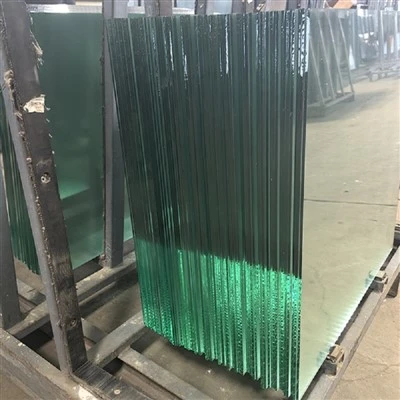
Now, if you’re working on a project in a cold zone, whether it’s a house, a store, a ski lodge, whatever, and you want to make sure you get the right laminated glass, hit us up. We don’t do one-size-fits-all – we’ll spec out exactly what you need based on your location, your project, your budget. No pushy sales guys, no hidden fees, just straight talk about what works in temps that would make other materials fold. We’ve worked in almost every cold climate you can think of, and we know how to make laminated glass work for you. Just reach out to us, tell me what you’re building and where, and we’ll send over a free quote and a breakdown of the best options.
Curved Tempered Glass References:
- Glass and Glazing Federation. (2022). Performance of Laminated Glass in Extreme Temperature Environments. GGF Technical Bulletin.
- National Research Council Canada. (2021). Structural Performance of Laminated Glass Panels Under Cold Climate Load Conditions. NRC Construction Research Report.
- American Architectural Manufacturers Association. (2020). Cold Climate Glazing Guidelines for Laminated Insulated Glass Units. AAMA 1503-20.
- University of Alaska Fairbanks, College of Engineering. (2019). Field Study of Glazing Durability in Subarctic Climates. Final Report for the Alaska Housing Finance Corporation.
Suzhou Dingcheng Tempered Glass Co., Ltd.
As one of the most professional laminated glass manufacturers and suppliers in China, we also support customized service. We warmly welcome you to wholesale high quality laminated glass made in China here from our factory. If you have any enquiry about free sample, please feel free to email us.
Address: No.777 Limin North Road, Lili Town, Wujiang District, Suzhou City, Jiangsu Province
E-mail: Dingchengglass@163.com
WebSite: https://www.dingchengglass.com/
