If you’re a brand manager, marketing agency owner, or small business owner needing high-quality printed materials—like brochures, catalogs, business cards, or product packaging—choosing the right coated paper printer can feel overwhelming. I’ve been in the printing game for over 10 years now, and I’ve talked to so many folks who’ve picked a printer that ended up messing up their project: colors were off, the paper felt flimsy, turnarounds dragged, and they wasted tons of cash on something that didn’t align with their goals. As a coated paper printer supplier, I see this all the time. So I put together a no-BS guide to help you skip the headaches and find a printer that fits your needs, not just the latest trend. Coated Paper Printer
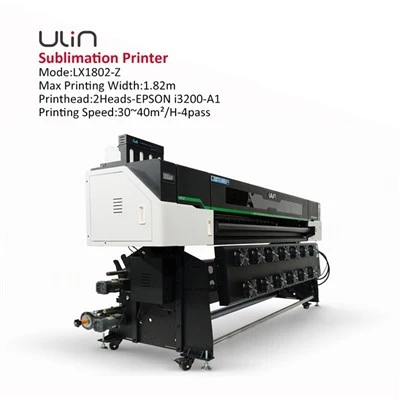
First, let’s get one thing straight: coated paper isn’t just “fancy paper.” It’s paper that’s been treated with a thin clay layer (sometimes polymer too) to make it smooth, glossy, matte, or semi-glossy—this makes colors pop, ink lay down evenly, and the whole piece feel premium. Not all printers handle coated paper the same way, though. That’s why your first move isn’t just searching “coated paper printer near me”—it’s figuring out what your project actually needs.
Start with your project type and specs, because this dictates everything. Let’s break down common use cases: If you’re printing luxury product packaging—think a candle box or high-end skincare tube—you’ll need heavyweight coated paper (like 12pt to 16pt) that doesn’t bend easily, and a printer that can handle thick stock without jamming their presses. If you’re doing a marketing catalog or a poster that needs vibrant, saturated colors, gloss or semi-gloss coated paper is non-negotiable, and you’ll want a printer with wide-format gear (for big sheets) or digital presses optimized for heavy coat weights. For business cards, lightweight coated paper (10pt to 12pt) works great, but if you want a card that feels durable, 14pt coated stock is the way to go.
Wait, but what if you’re unsure what coated stock to pick? A good printer will ask you that, too—don’t go it alone. I’ve had clients come to me saying, “I just want coated paper, that’s it!” and end up with something that looked cheap because they picked the wrong weight. So make a quick list of your project’s key details: size (8.5×11, 12×18, etc.), quantity (100 vs. 10,000), and final use (will it be mailed, displayed on a shelf, handed out at a tradeshow?). That info will narrow down your printer options fast.
Next, test their gear (no, not just their website photos). Here’s the thing: some printers advertise “coated paper” services, but they’re using old digital presses that can’t feed heavy coated stock without smudging, or offset presses that cause color shifts from sheet to sheet. Offset printing is still the gold standard for large runs (over 500 units) because it’s cheaper per piece and delivers consistent color, but it requires coated paper that’s compatible with offset presses (which are usually slightly more rigid than digital-compatible coated stock). Digital presses are perfect for small runs (under 500) because they’re faster for low volumes and don’t require custom plates, which saves you cash if you only need a few hundred. But not all digital presses handle coated paper well—cheaper consumer-grade digital printers can leave ink looking flat on glossy coated stock, while industrial digital presses (like the HP Indigo or Xeikon models we use) are calibrated specifically for coated paper, so colors are true and no smudges.
How do you check a printer’s gear? Ask them straight: “What presses do you use for coated paper projects?” If they give you vague answers like “we use all kinds” or don’t name specific industrial models, that’s a red flag. We always list our press types on our project quotes because we want clients to know their job is going on gear that’s built for coated paper. Also, ask if their presses are calibrated monthly. Coated paper’s finish (gloss vs. matte) can affect color output, so calibrating for coated stock specifically is non-negotiable—if a printer only calibrates for plain uncoated paper, your colors will be off.
Then, check their color consistency and sample quality. This is where most people get burned. I’ve had a client last year who used a random printer for their product catalog, and when they got the first proof, the blue of their brand logo was a different shade on every page—total disaster for their product line. How do you avoid that? Ask for a sample of a similar coated paper project they printed recently for someone else. If possible, ask for a physical sample that’s been cut to the size you need, so you can feel the paper, see how the ink sits, and check color across different parts of the design.
Another thing: color profiles. Professional printers use ICC profiles for coated paper, which are specific to the paper’s brand (like Domtar Cougar Gloss or Mohawk Superfine Matte) and their press. If a printer says they “match your brand’s PMS colors” but can’t show you a profile for that paper, be wary. We have a library of ICC profiles for 12+ coated paper brands, so when a client sends a PMS code, we can match it exactly without shifting. That’s a big difference between a good printer and a sloppy one.
Turnaround time and flexibility are next. Let’s be real—most of us aren’t planning a print job 6 weeks in advance. Tradeshows pop up last minute, a product launch gets moved up, or you need 500 extra brochures for a client meeting. So ask: “What’s your typical turnaround for coated paper projects, and do you offer rush services if I need it fast?” But here’s a catch: if a printer promises a 24-hour turnaround for a 10,000 unit catalog on heavy coated paper, that’s too good to be true. Printing on coated paper takes extra time because the press needs to adjust, the ink has to dry completely (gloss coated paper especially needs proper curing to avoid smudges), and finishing (folding, binding, cutting) adds time. We offer 48-hour rush for small runs, but for large runs, we usually quote 5-7 business days because cutting corners on drying leads to ruined jobs. Also, check if they handle finishing—like UV coating, embossing, or die-cutting—since many coated paper projects need that extra touch to feel premium. If a printer has to outsource finishing, that can add time and cost, so it’s better to pick one that does it in-house.
Pricing transparency is huge too. I get so many calls from people who say, “I got a quote of $500 from Printer A and $750 from Printer B—why is there such a big difference?” The answer is almost always what’s included. A $500 quote might be for a 10pt coated paper on a consumer digital press, no proof, no shipping, and no color matching. The $750 quote is probably for 12pt coated paper, calibrated press, a digital proof, color matching, and finished edges. So avoid choosing based on price alone—ask for a breakdown: what paper weight, press type, proofing, and finishing are included? We always send a detailed quote that lists every line item, no hidden fees, so clients know exactly where their money is going. Also, watch for “per 1000 piece” quotes that are too low for small runs—some printers hike up prices for quantities under 500, so make sure the quote matches your quantity.
Finally, customer service. This is the thing that makes the whole process stress-free. When you reach out to a coated paper printer, do they get back to you within 24 hours? Do they ask questions to clarify your project, or just send a generic quote? Do they walk you through the process, like how to set up your artwork for coated paper (no bleeds issues, right? Coated paper needs proper bleeds so the edge of your design doesn’t get a white line after cutting)? We have a team that specializes in coated paper projects, so when a client sends an artwork file that’s missing bleeds, we send a quick note explaining how to fix it instead of letting them send a bad file that would ruin their job. I’ve seen too many clients stuck with a printer that ignores their questions or blames them when something goes wrong—so go with someone who treats you like a partner, not just a paycheck.
Wait, let’s sum this up to make sure you’re not missing anything. To choose the right coated paper printer, do these 5 things: 1) Nail down your project’s specs (size, quantity, use, paper type) before you reach out. 2) Ask about their coated paper-specific presses, calibration, and color profiles. 3) Request a sample of their past coated paper work to check quality. 4) Get a detailed quote that includes all costs and turnaround. 5) Test their customer service by asking questions before you commit.

If you’re still unsure, that’s normal! A lot of people get stuck at the “which paper and press” stage, and that’s where a good coated paper printer earns their keep. We’ve worked with everyone from small startups needing business cards to big corporations launching product packaging, and we know how to guide you through every step so you don’t waste money or time. If you’re ready to talk through your project, feel free to reach out and connect with our team—we’ll answer all your questions, send a free sample of coated paper that fits your needs, and give you a transparent quote without any fine print.
DTF Printer References
- PrintWeek. (2022). “Coated Paper Selection for Commercial Printing: A Buyer’s Guide.” PrintWeek International.
- Graphic Arts Technical Foundation (GATF). (2021). Calibration Standards for Digital and Offset Presses on Coated Substrates. GATF Press.
- Smith, J. (2023). “How Coated Stock Affects Print Color Accuracy.” Printing Technology Today, Vol. 17, No. 3, pp. 45-52.
- United States Postal Service (USPS). (2022). Guidelines for Coated Paper Mailing Pieces to Avoid Tearing and Postage Issues. USPS Business Solutions.
Hangzhou Yulan Technology Co., Ltd.
Hangzhou Yulan Technology Co., Ltd. is one of the most professional coated paper printer manufacturers and suppliers in China. With abundant experience, we warmly welcome you to wholesale the newest coated paper printer in stock here from our factory. Good service and quality products are available.
Address: 3rd Floor, Building 4, Kechuang Park, No. 43 Wuzhou Road, Donghu Sub-district, Linping District, Hangzhou,CHINA
E-mail: ulinprint@gmail.com
WebSite: https://www.ulinprinter.com/
