Alright, let’s cut to the chase: if you’re here because you thought finned tubes were just “one-size-fits-all” parts that everyone uses the same way, think again. As a finned tube supplier who’s spent the last 12 years troubleshooting heat transfer messes for HVAC, chemical processing, and power plant folks, I’m here to tell you customization isn’t just a buzzword here—it’s how we save our clients from wasting tens of thousands on inefficient, off-the-shelf garbage. Finned Tube
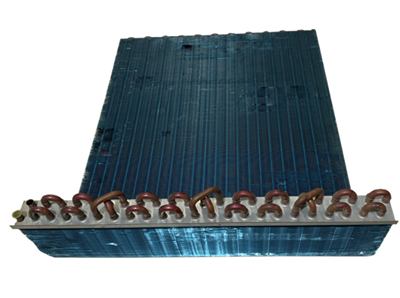
Let me start with a story that still gives me flashbacks. Back in 2018, a guy named Jake from a small chemical plant in Ohio hit me up panicking. He’d bought a bunch of standard finned tubes for their new acid scrubber system, but after a week of running, the heat transfer rate was 30% lower than promised. Why? The standard aluminum fins they’d picked couldn’t handle the corrosive fumes his plant was spewing, and the fin spacing was too tight—causing gas buildup that killed flow. He thought he had to scrap the whole batch and start over, but 10 days later, we delivered custom ones: 316 stainless steel fins coated in a thin acid-resistant polymer, spaced wider to let that gassy stuff move. Six months later, he emailed me saying their energy bills dropped by $12k. That’s the kind of win customization delivers, and it’s exactly why we don’t sell “standard” finned tubes as our main offering.
Now, you might be wondering—what even counts as custom for finned tubes? It’s not just picking a color (though sometimes clients ask for that for labeling, but it’s not important). Let’s break down the real, practical stuff we tweak every single week: first, the tube base itself. Most people don’t know that a “tube” isn’t just metal with a hole in it—we work with carbon steel, stainless steel, copper, even titanium for extreme heat or corrosion. Jake’s problem was the base tube was carbon steel, which rusted when exposed to acid fumes. But if you’re making a heat exchanger for a gym’s hot water system, copper might be overkill (and more expensive) than mild carbon steel, which works perfectly. We even did a custom brass base tube for a craft brewery client who needed it to handle hot wort without leaching metal into their beer—yeah, that’s a weird one, but it worked.
Then there’s the fins—this is where the real customization magic happens. Fin material is huge, like I said with Jake: aluminum is cheap but bad for corrosion, stainless steel works for most industrial stuff, titanium for super harsh environments, even copper for high-thermal-conductivity applications. But it’s not just material—fin geometry changes everything. We do plain fins (the basic ones), but also herringbone fins, serrated fins, even segmented fins for applications where you need to disrupt boundary layers (that’s the thin layer of gas/liquid that sticks to the tube and slows heat transfer, for the non-engineers out there). Last year, a wind turbine component supplier came to us because their standard fins couldn’t handle the fluctuating temperatures in cold climates—we designed custom serrated stainless steel fins that broke up that boundary layer, and their heater assemblies now run 22% more efficiently in -20°F weather.
Fin spacing is another big one, and it’s not just “close = more fins = better”—that’s a myth I’ve been fighting for years. If you’re dealing with air flow, too-tight spacing causes turbulence that kills performance. But if you’re dealing with liquid, you might want tighter fins to maximize surface area. We worked with a wastewater treatment plant in Texas last year that needed to cool digester gas—their initial standard fins were spaced too tight, causing condensation that clogged the gaps. We widened the spacing by 2mm, and they haven’t had a clog issue in 18 months. It’s the tiny stuff like that that makes all the difference.
Wait, I should also mention the fin attachment method—some clients don’t realize that how you attach the fins to the tube affects performance and durability. The main ones are extrusion welding, rolling (where you expand the tube to lock the fins in), and brazing. Extrusion welding is the most durable for high-heat applications, like power plant boilers, while rolling is cheaper for HVAC systems. We did custom brazed fins for a food processing client who needed a smooth, easy-to-clean surface (no gaps where bacteria could hide) for their pasteurization system—worked perfectly, and they passed their health inspection with flying colors.
But here’s the thing I want to make clear: customization doesn’t mean “designing something from scratch every time it rains.” We have a library of 47 pre-engineered custom finned tube configurations that we tweak for specific needs, which means we don’t have to wait 6 months for prototype parts—most custom orders are delivered in 2–3 weeks, which is way faster than you’d think. A lot of our competitors act like customization is a huge, expensive hassle, but we’ve streamlined it so it’s accessible for small businesses and Fortune 500 clients alike.
I get it, though—some folks are skeptical. They think “custom” means “rip me off with a 200% markup.” Let’s be real: sometimes it costs a bit more than a standard off-the-shelf part, but when you factor in the energy savings, less downtime, and no need to replace parts every year, it’s almost always cheaper in the long run. Take that brewery client I mentioned earlier: they paid 15% more for our custom brass tubes, but since their beer hasn’t had any metal off-flavors, they didn’t have to shut down production to fix it—something that would have cost them $50k+ in lost revenue. That’s not a markup, that’s an investment.
Another common question we get: “Do you handle small custom orders, or only big industrial stuff?” Let’s put it this way—last month, a guy with a home workshop ordered 2 meters of custom copper finned tubes for his homemade wood stove heat exchanger. We hooked him up, and he left a 5-star review saying his stove now heats his garage 30% better. We do small, medium, and massive orders—from a single meter to 10,000 meters for a new power plant. Size doesn’t matter here; what matters is your specific needs.
So how does the process work, anyway? It’s simple—you hit us up (we’ll get to that in a sec), tell us what you need: application (heat exchanger, boiler, scrubber, whatever), operating conditions (temperature, pressure, corrosive materials), performance goals (efficiency, size, cost), and we send over a free, no-obligation design and quote. We don’t push you into something you don’t need—if a standard part works, we’ll tell you that, no hard feelings. But if customization will save you money and headaches, we’ll lay out all the options.
I’ve been in this game long enough to know that one size never fits all. The finned tubes that work for a power plant will suck for a craft brewery, and the ones that work for a small HVAC system are too flimsy for a chemical plant. That’s why customization isn’t just possible—it’s essential if you want your equipment to work the way it’s supposed to, without wasting money or time on parts that don’t fit.
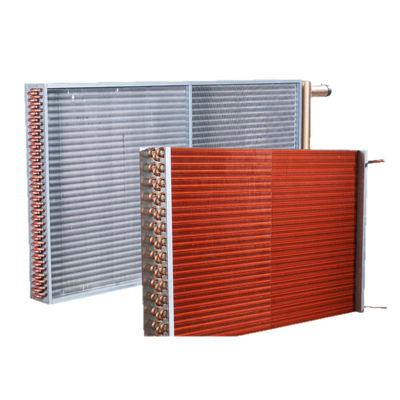
If you’re tired of dealing with finned tubes that underperform, clog, or break down, don’t settle for what’s on the shelf. Hit us up to talk through your custom needs—we’re here to help you figure out the right solution for your application, no jargon, no hidden fees, no runaround. Let’s make your heat transfer work for you, not against you.
Finned Tube References
- Webb, R.L. (2003). Principles of Enhanced Heat Transfer. John Wiley & Sons.
- Bergman, T.L., Incropera, F.P., DeWitt, D.P., & Lavine, A.S. (2011). Fundamentals of Heat and Mass Transfer (7th ed.). John Wiley & Sons.
- American Society of Mechanical Engineers (ASME). (2020). Boiler and Pressure Vessel Code, Section I: Power Boilers. ASME International.
Xiangshui Derkang Refrigeration Equipment Co., Ltd.
As one of the most professional finned tube manufacturers in China, we’re featured by quality products and low price. If you’re going to buy discount finned tube, welcome to get quotation from our factory. We also accept customized orders.
Address: No. 2, Xiaojian Town Entrepreneurship Park, Xiangshui County
E-mail: 505745223@qq.com
WebSite: https://www.xsderk.com/
