If you’ve ever spent time curating a bohemian-style room, you know it’s all about that layered, relaxed, and artful vibe—think faded textiles, mismatched vintage finds, macramé wall hangings, and bursts of unexpected color that feel curated, not overplanned. When I started my career as a roller shade fabrics supplier, I’ll admit I didn’t immediately connect my product line to bohemian design. For years, roller shades were seen as functional, straightforward window treatments for minimalist or neutral spaces, nothing like the boho style I’d admired in vintage magazines and small, sunlit cafes around Brooklyn where I grew up. But over the past five years, I’ve seen that change firsthand. More boho homeowners, vintage curators, and interior designers are reaching out to me for roller shade fabrics that don’t just block sunlight—they enhance that free-spirited, personal feel of a bohemian room. Today, I want to break down exactly how our roller shade fabrics fit into bohemian style, why the pairing works scientifically (no, really, there’s science here), and what to look for if you’re mixing these two elements in your own space. Roller Shade Fabrics
First, let’s get one thing straight: bohemian style isn’t just about frills and bright colors. At its core, boho design is rooted in anti-establishment creativity, the joy of repurposing, and creating a space that tells a story about who lives there. That means it welcomes textures, patterns, and imperfections, as long as they feel intentional and warm. For a long time, window treatments in boho rooms leaned toward floor-length curtains, linen drapes, or hand-printed fabric panels—pieces that feel soft, draped, and a little unstructured. Roller shades, by their nature, are flat, compact, and operate with a simple roll-up mechanism. But that doesn’t have to mean they feel stiff or clinical. The key, I’ve learned, is choosing the right roller shade fabric, and understanding how its properties align with bohemian space needs.
Let’s talk about the science that makes this pairing work, starting with light. One of the most beloved things about a bohemian room is how light interacts with every corner. Boho spaces often prioritize natural light—think sunlit reading nooks, rooms with views of a garden, or spaces that feel open and airy, not dark and heavy. Roller shade fabrics, when chosen correctly, can control light in a way that’s perfect for boho living, without killing that warm, sunlit vibe. For example, our sheer linen-blend roller shades filter about 70% of natural light, which means you get that soft, diffused glow that makes faded throw pillows, vintage posters, and potted plants look their best. That’s a big deal—too heavy a fabric, like thick blackout material, will make a boho room feel closed off, even cramped, while too sheer a fabric might not offer enough privacy (especially in a city apartment, where neighbors are close). The middle ground, which is the most popular for boho customers, is our “translucent textured” roller shade fabrics: they have a subtle weave that softens harsh midday sun but maintains warmth in the morning and evening.
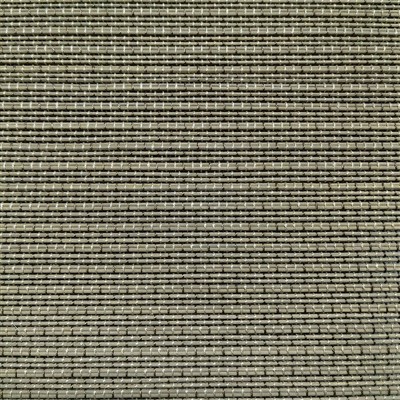
Then there’s texture, which is non-negotiable in bohemian style. Boho rooms thrive on tactile surfaces—jute rugs, crocheted blankets, woven wall hangings, and even the slightly rough edge of a thrifted wooden table. Roller shade fabrics used to be marketed as smooth, uniform vinyl or polyester, but that’s changed a lot in the last decade. At my company, we’ve expanded our line to include linen blends, organic cotton, jute weave, and even recycled denim roller shade fabrics. Our linen-viscose blend, for example, has a slightly slubbed texture—you know, those small, irregular threads that give hand-woven textiles their character—instead of a perfectly smooth, factory-made finish. That’s exactly the kind of imperfection that boho design celebrates. When you roll up the shade, those slubs are visible, adding depth instead of looking like a flat, impersonal surface. I’ve had customers tell me that their roller shades become a conversation piece—guests will run their hand over the textured fabric and comment that it feels like something you’d find at a weekend craft fair, not a big-box hardware store.
Color is another big part of bohemian style, and roller shade fabrics can hold their own here too. Boho color palettes aren’t just bright neons—they’re a mix of earthy tones, faded pastels, and unexpected pop colors, like terracotta, mustard yellow, sage green, or even deep indigo. The problem with many traditional roller shade fabrics was that they only came in a limited number of neutral colors: white, beige, gray, and black. Now, we use reactive dyeing processes for our roller shade fabrics, which means the color is set deep into the fibers, not just on the surface. That gives us more vibrant, less flat colors, which is perfect for boho. For example, our “sun-bleached terracotta” roller shade isn’t a bright, harsh orange—it’s a muted, warm color that looks like it’s been hanging on a porch for years, which fits right in with vintage boho furniture. We also have a line of hand-printed roller shade fabrics, with small, subtle patterns like faded florals, geometric motifs, or even tiny constellations—all made using water-based inks, which is important because boho homeowners often care about sustainability too. That’s another win: many boho design lovers prioritize eco-friendly materials, and our roller shade fabrics are OEKO-TEX certified, meaning no harmful chemicals are used in production.
Wait, but what about functionality? I know what some people are thinking: roller shades are supposed to be practical, right? They have to block light at night, hold up to sun exposure, and be easy to clean. Can they really check those boxes while still being bohemian? The short answer is yes—they can, and that’s what makes this pairing so smart. Boho rooms are often lived-in spaces, not just showrooms. People have kids, pets, plants that get knocked over, and windows that face the sun all day. Our polyester-cotton blend roller shade fabrics, for example, are stain-resistant and UV-protective. The UV protection is key because if you have a vintage rug or a faded tapestry in your boho room, harsh sunlight will make those colors fade over time. Roller shade fabrics with a UPF (Ultraviolet Protection Factor) of 50+ block 98% of UV rays, which means your bohemian art and textiles will stay vibrant longer. And easy to clean? We use a stain-repellent finish that’s gentle on the fabric, so if a glass of wine spills or a pet sheds fur, you can just wipe the shade down with a damp cloth—no need for professional cleaning, which is perfect for busy homeowners.
I’ve also noticed that the way you install and use roller shades in a bohemian room adds to the vibe, not takes away from it. A common mistake people make is installing roller shades all the way up to the ceiling, in a perfect straight line, like you’d see in a modern office. Instead, in a bohemian space, you can leave the roller shade partially rolled down, so it’s at uneven lengths across the window—some panels higher, some lower, matching the mismatched windows and vintage trim that’s common in boho homes. Or, you can layer a roller shade with a gauzy linen curtain in a complementary color, so when the sun comes in, the two textures mix, creating that soft, layered look that boho is known for. I had a customer in Portland last year who used our jute roller shades in her 1920s bungalow boho room, and she paired them with thrifted lace curtains she found at a garage sale. When the shade is rolled all the way up, the lace curtain hangs loose, adding another layer of texture, and when it’s rolled down, the jute weave peeks through the gaps in the lace. It’s not perfect, and that’s exactly what made it work.
Let’s get real, though—there are some misconceptions that make people hesitant to mix roller shade fabrics with bohemian style. One of the biggest is that roller shades are too “contemporary” or “minimal” to fit the messy, personal vibe of boho. But I think that’s just a outdated idea of what roller shades can be. Back when I first started, roller shades were mostly made for commercial spaces, so they were functional, plain, and designed to blend in, not stand out. Now, residential roller shade fabrics are a whole category of design material, with options for every style—from mid-century modern to rustic to bohemian. Another misconception is that roller shades don’t feel “handmade” enough. But if you choose fabric that has a slight texture, a unique color, or even a subtle print, it feels much more like a handmade piece than a mass-produced curtain. I’ve had customers who add small macramé tassels to the end of their roller shade pulls—tiny, personal touches that tie the shade into the rest of their boho decor. That’s the beauty of bohemian style: you can tweak even the most functional item to fit your personal story.
Another point to consider is cost, which is a big factor for most homeowners. Bohemian design is often associated with thrifting and upcycling, which is great, but that doesn’t mean you have to spend hundreds of dollars on custom window treatments. Roller shade fabrics are relatively affordable compared to custom curtains, and because they’re made to measure, you don’t have to deal with the hassle of altering fabric to fit your windows. At my company, we offer a range of roller shade fabrics at different price points, so whether you’re on a tight budget or looking for a high-end linen blend, there’s an option that fits. That’s another reason this pairing works: boho style doesn’t have to be expensive, and roller shades make it easy to update a space without a huge renovation.
I’ve spent years talking to interior designers and boho homeowners, and one of the most common things they say is that they hate window treatments that draw too much attention, or that make a room feel cluttered. Roller shades are sleek, they take up minimal space when rolled up, which is perfect for boho rooms that are already full of other items—plants, art, furniture. They don’t add bulk, so they keep the room feeling open, which is essential for a space that’s supposed to be cozy but not cramped. I remember a customer in Austin who had a small apartment, and she wanted a bohemian room that felt warm but didn’t feel crowded. She used our sheer linen roller shades in a muted sage color, and they rolled all the way up, so when they were open, the window just looked like a big glass pane with no fabric taking up space. That let her vintage leather couch, her potted fiddle leaf fig, and her macramé wall hanging be the main features, which is exactly what she wanted.

Now, if you’re thinking about trying roller shade fabrics in your bohemian room, here are a few tips I’ve picked up over the years, based on what works and what doesn’t. First, go for texture over perfect smoothness. Look for fabrics with slubs, weaves, or even small, natural imperfections—those are the ones that will feel like they belong in a boho room, not a modern apartment. Second, don’t be afraid of color, but lean into muted, earthy tones rather than bright, harsh colors. That sun-bleached terracotta or soft indigo will fit way better than a neon red or electric blue. Third, prioritize functionality that fits boho living: stain-resistant fabrics, UV protection, and easy cleaning will make your shade last, so you don’t have to replace it every year, which is part of the sustainable ethos of bohemian style. Fourth, don’t be afraid to mix and match: pair your roller shade with a gauzy curtain, add a tassel to the pull, or even leave it partially rolled for that uneven, lived-in look.
Roller Shade Fabrics At the end of the day, bohemian style is all about making a space that feels like you—full of things you love, with textures that feel good to touch, and light that makes you happy. Roller shade fabrics, when chosen the right way, aren’t just a functional window treatment—they’re another piece that adds to that story. For too long, they’ve been seen as an afterthought, but I’ve seen how a well-chosen roller shade fabric can tie a bohemian room together, adding texture, warmth, and personality without overpowering the rest of the space. If you’re tired of the same old curtains and want something that’s practical, stylish, and true to the bohemian spirit, I’d encourage you to look at our line of roller shade fabrics. We work with homeowners, interior designers, and small renovation companies, and we’re happy to help you find the perfect fabric for your space. Whether you’re restoring a vintage bungalow in Portland, designing a small apartment in Brooklyn, or putting together a boho-inspired Airbnb in Austin, we have options that will fit your vision. If you’re ready to chat through your project and find the right roller shade fabric for your bohemian room, reach out to our team to start the conversation. We can help you select the best fabric, give you tips on installation, and make sure you get exactly what you need to bring your space to life.
References
- Design Council. (2021). Boho style: The evolution of a design aesthetic. Retrieved from designcouncil.org
- Textile Institute. (2022). Light transmission properties of window textiles and their impact on indoor living spaces. Journal of Textile and Apparel, Technology and Management
- Sustainable Furnishings Council. (2020). Eco-friendly textiles for residential window treatments. Retrieved from sustainablefurnishings.org
- American Society of Interior Designers. (2021). Window treatment selection for bohemian and eclectic interior designs. Retrieved from asid.org
Anhui Dongting Window Coverings Co., Ltd.
We’re well-known as one of the leading roller shade fabrics manufacturers and suppliers in China, featured by quality products and good service. Please rest assured to wholesale high-end roller shade fabrics in stock here from our factory. We also accept customized orders.
Address: No. 1, Gaofeng Development Zone, Dongting Town, Guangde City, Anhui Province
E-mail: 3499179665@qq.com
WebSite: https://www.cndongting.com/
