When I first started out as an animal carcass rendering equipment supplier, one of the most common questions I’d get from potential clients wasn’t just about how our machines work—it was where they’re made. It makes sense, right? When you’re investing in heavy industrial equipment that handles hazardous biological waste, the origin of that machinery matters for reliability, compliance, and long-term support. Over the past decade in this industry, I’ve tracked the manufacturing landscape closely, and it’s evolved a lot from the days when most rendering kit was built in just a handful of regions. Animal Carcass Rendering Equipment
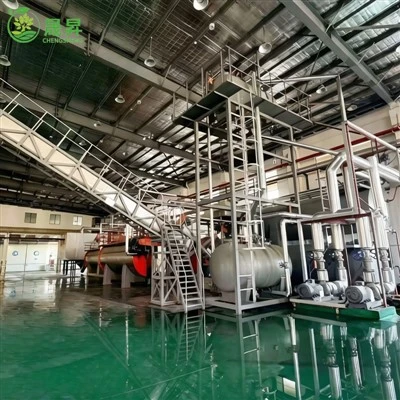
Let’s start with what rendering equipment actually does, because that context helps explain why manufacturing locations matter. Rendering is the process of turning animal carcasses—from livestock to poultry, even fallen wild animals—into useful byproducts like tallow, meat and bone meal, and fat. It’s not just a disposal method; it’s a critical part of agricultural circular economy, keeping waste out of landfills, preventing disease outbreaks, and producing ingredients for animal feed, biofuels, and cosmetics. The equipment has to meet strict standards for hygiene, temperature control, and emission compliance, so where it’s built directly impacts how well it can do that.
Right now, the global manufacturing of animal carcass rendering equipment is concentrated in three main regions, each with their own strengths and niches. Europe leads the pack when it comes to specialized, high-precision rendering gear. Countries like Germany, the Netherlands, and the UK have a long history of agricultural technology development, and their equipment is designed to meet some of the world’s toughest environmental regulations. A lot of our own line of batch cookers and press systems come from German manufacturers, for example. They focus on modular designs that make it easy to adjust to different farm sizes, and their engineering teams are constantly refining models to reduce energy use—something European farmers have prioritized since the 2000s, when strict rules on agricultural waste handling were put in place after the BSE crisis. The downside here? European-built equipment tends to have a higher upfront cost, but it’s often more durable, which means lower maintenance over its 20+ year lifespan. That’s a trade-off a lot of large commercial rendering plants are willing to make.
Next is North America, specifically the United States and Canada. This region’s manufacturing is driven by the size of its agricultural industry—we have more cattle and poultry than most parts of the world, so equipment here is built for high-volume, continuous operation. American manufacturers, mostly based in the Midwest, have mastered scaling rendering systems for large feedlots and processing plants. They’re also big on integrating automation; modern U.S.-made rendering lines can handle up to 100 tons of carcass material a day with minimal manual labor, which appeals to operations struggling with labor shortages. A few years back, we added a line of continuous rendering retorts from a Canadian partner, and their focus on food safety standards (since North America has very strict rules on byproduct use for animal feed) has been a game-changer for clients looking to export their byproducts. The cost here is a middle ground between Europe and other regions, and the supply chain for replacement parts is super reliable, since most distributors are based across the U.S. and Canada.
Then there’s Asia, which has emerged as a major player in recent years, particularly China and India. What’s different here is that Asian manufacturers cater to a mix of small, medium, and large operations, with a strong focus on affordability. For small-scale farmers or local rendering facilities in emerging markets, the lower upfront cost of Chinese-built equipment is often the deciding factor. That said, there’s a wide range of quality here. Some of the more established Asian manufacturers have invested heavily in R&D over the last five years, building machines that meet international standards for emission control, while others cut corners on materials. We work with a couple of Asian suppliers that we’ve tested thoroughly—their stainless steel construction and heat recovery systems hold up well for moderate use, which is perfect for regional clients who don’t have the volume to justify a European or U.S. system. It’s worth noting that Asian manufacturing has also driven down overall costs across the industry, forcing North American and European makers to be more competitive on pricing without sacrificing quality.
I get a lot of questions from clients asking if there’s a “best” place to buy rendering equipment, and the answer is always, “it depends on your needs.” A 50,000-head poultry processing plant in the U.S. might prioritize high volume and automation, so North American or European gear makes sense. A small farm in a Southeast Asian country with 100 head of cattle annually might go with an Asian model to stay within budget. But there’s a common mistake I see new buyers make: assuming that all equipment from a region is the same. Last year, we had a client in Australia who bought a cheap rendering system from a lesser-known Asian manufacturer, and within two years, they were dealing with frequent breakdowns, rust issues, and emissions problems that got them fined by local environmental regulators. That’s why working with a supplier that vets their manufacturers matters, no matter where the equipment is made.
Another point that’s often overlooked is the shift in manufacturing over the last decade. Ten years ago, almost all rendering equipment was built in Europe and North America, but as demand has grown in emerging economies, more manufacturers in Latin America and the Middle East have started producing local models. Brazil, for example, now has several local manufacturers building rendering systems tailored to the country’s huge cattle industry, cutting down on shipping costs and lead times for South American clients. That’s a big win for regional operations that used to have to wait weeks for equipment from Europe or the U.S.
So where does that leave a supplier like me? For our business, we source equipment from all three major regions, but we only partner with manufacturers that have a track record of compliance, durability, and good after-sales support. We test every model we bring in through real-world use cases—we work with a small rendering plant in Ohio and a large one in Germany to put our gear through its paces, so we know it can handle different conditions. That’s something that a lot of new suppliers don’t do, which is why we’ve built trust with our clients over the years.
At the end of the day, when you’re investing in animal carcass rendering equipment, location is a factor, but it’s not the only one. You need to think about your operation’s size, your budget, local regulations, and the support you’ll need down the line. A machine that works great in a cold, industrial part of Canada might struggle in a hot, humid climate in Nigeria, even if it’s from a top North American manufacturer. That’s why it’s important to work with a supplier who can walk you through those factors, not just sell you a piece of equipment based on where it’s made.

If you’re in the market for animal carcass rendering equipment and want to talk through what works for your operation, we’re here to help. We can walk you through our product lines, answer questions about manufacturing origins, and help you find a solution that fits your needs, whether you’re a small family farm or a large commercial rendering plant. Reach out to us to start a conversation.
Animal Waste Conveying Equipment References
US Environmental Protection Agency. Agricultural Waste Management.
European Commission. Regulation on Animal By-Products.
Food and Agriculture Organization of the United Nations. Rendering Processes and Byproduct Utilization.
National Renderers Association. Equipment Standards and Best Practices.
Zhejiang Shengsheng Environmental Protection Technology Co., Ltd.
With abundant experience, we are one of the leading manufacturers and suppliers of animal carcass rendering equipment in China. We warmly welcome you to wholesale animal carcass rendering equipment in stock here and get quotation from our factory. All customized products are with high quality and competitive price.
Address: No.899 Huifeng South Road, Jiangnan Subdistrict, Linhai City, Taizhou City, Zhejiang Province, China
E-mail: 564958410@qq.com
WebSite: https://www.ssincinerator.com/
