If you’ve ever strolled through a community garden in a residential neighborhood or tended a raised-bed plot on a small urban lot, you’ve probably noticed a shift in how city dwellers approach gardening. Gone are the days when urban gardens were limited to hand trowels, wheelbarrows, and endless backbreaking weeding. More and more people are turning to power tillers to simplify their gardening work—but there’s a common debate: is a power tiller actually suitable for urban gardens? As a power tiller supplier who’s worked with urban gardeners for over a decade, I’ve seen both the wins and the missteps that come with bringing this equipment to compact, city-based spaces, and I’m here to break it down with real, on-the-ground experience. Power Tillers
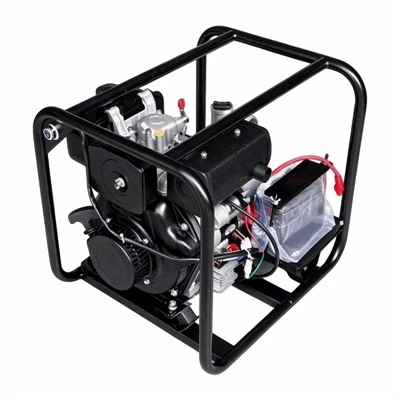
First, let’s ground this in what urban gardens actually look like. Unlike rural farms or large suburban backyards, urban plots come in all shapes and sizes: 4×8 foot raised beds in a community garden, a 10×10 foot yard tucked between two apartment buildings, even container gardens on a balcony. Many city lots also have hard, compacted soil leftover from old construction, pavement, or decades of foot traffic. For years, gardeners had two options: spend hours digging and turning soil by hand, or opt for a large, gas-powered rototiller that’s too heavy, noisy, and disruptive for narrow city spaces. That’s where modern power tillers come in—and they’re designed specifically for these tight, specific conditions.
Let’s talk about the biggest myth first: that all power tillers are too big for urban gardens. Early rototillers weighed 50 pounds or more, with blades that spun fast enough to tear up roots, rocks, and even small pipes if you weren’t careful. But today’s compact power tillers, the ones we supply, weigh as little as 25 pounds, with adjustable tilling widths (as narrow as 6 inches, perfect for raised bed pathways) and adjustable blade depths. Last year, I worked with a community garden in downtown Portland where 22 gardeners, each with 12×12 foot plots, used our compact tillers to turn over soil between growing seasons. One gardener, Maria, told me before she got her tiller, it took her 12 hours over two weekends to dig her plot by hand. With the tiller, she had it done in 45 minutes. That’s the kind of real impact I see every day.
But size isn’t the only consideration for urban spaces. Noise and space for storage are two other big pain points city gardeners face. Many apartment buildings and neighborhood associations have noise ordinances that ban loud gas-powered tools during the workweek, especially on weekends when most people have time for gardening. Our electric power tillers run at less than 60 decibels—that’s quieter than a conversation between two people—and most can run on a standard outdoor extension cord (or even a small battery, for cord-free use if you don’t want to deal with cords). We also offer foldable handles for easy storage in a closet or under a kitchen counter—something unheard of with old-style rototillers. Last summer, a customer in Brooklyn who gardens on her balcony told me she used to store her hand tools on her fire escape because a rototiller wouldn’t fit. Our compact tiller, folded up, fits right next to her lawnmower in her small storage unit.
Of course, it’s not all upside. There are real challenges to using a power tiller in an urban garden, and I don’t want to sugarcoat them. For one, if you’re gardening in a space with a lot of underground infrastructure—like old water lines, sewer pipes, or utility cables (super common in older cities)—even a compact tiller can damage those if you’re not careful. I always tell first-time urban gardeners to call their local utility company to mark underground lines before using a tiller, and to start with a shallow till (no more than 4 inches) to avoid hitting hard surfaces. Another challenge: if your plot is only a few feet wide, a tiller might be overkill. For a 4×8 foot raised bed, a hand tiller or even a digging fork is often faster and easier. That’s why I always ask potential customers to measure their space, note any underground utilities, and think about how much time they want to spend on prep before recommending a tiller.
Another common question: do power tillers work for different types of urban gardening? Let’s break this down by use case. If you’re growing vegetables in raised beds, a tiller is perfect for mixing in compost, breaking up compacted topsoil, and creating loose beds for seeds. For container gardens, though, a tiller is too large—you’ll want a small hand trowel or a mini hand tiller. For community gardens with shared pathways, a narrow power tiller is ideal for turning over pathway soil to suppress weeds, which is way faster than hoeing by hand. For someone growing native plants in a small median strip, a tiller can help loosen hard clay soil so roots can spread. I’ve even supplied tillers to a group of urban beekeepers who use them to turn over soil around their hives to create small pollinator gardens.
What about environmental factors? A lot of city gardeners care about their carbon footprint, so I always make sure to highlight the eco-friendly side of modern power tillers. Gas-powered tillers emit fumes and use non-renewable fuel, but our electric models run on renewable energy if you’re on a green power grid, and they have zero emissions during use. Compact tillers also require less soil disturbance than large rototillers—modern tillers have tines that spin inward (not outward), which means they only till the soil you need, not the entire area around it. That’s better for soil structure, which is important for urban gardens where soil is often thin or degraded.
I’ve also seen how power tillers can build community in urban gardens. Tilling is a collaborative job—one gardener will bring their tiller, and three or four others will help prepare their plots in one morning instead of each doing it alone. At a community garden in Chicago’s Englewood neighborhood, we donated three compact tillers last year, and the garden’s coordinator told me it cut down on the time they spent on plot prep by 70%. It also meant less strain on older gardeners who couldn’t dig by hand anymore. That’s the biggest benefit I see: a power tiller isn’t just a tool—it’s a way to make gardening accessible to more people in cities, regardless of their physical strength.
Now, let’s get to the practical stuff: when a power tiller is right for your urban garden, and when it’s not. If you have a plot larger than 10×10 feet, have compacted soil, want to cut down on prep time, or garden with a group where you can share equipment, a power tiller is a great fit. If your plot is smaller than 5×5 feet, only grow in containers, or have a lot of underground infrastructure you can’t mark, a hand tool might be better. Also, if you’re looking for a low-cost, one-time purchase, a power tiller is an investment—but it pays for itself in saved time over a few years of gardening.
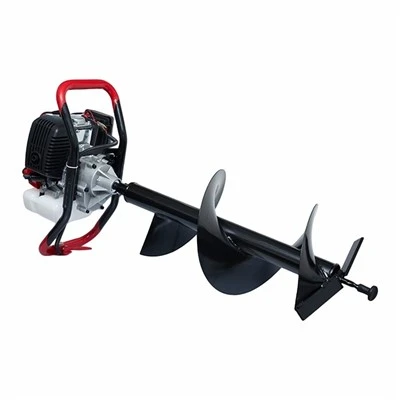
As a power tiller supplier, my number one goal isn’t just to sell a tool—it’s to make sure it works for your specific urban space. I’ve seen too many gardeners buy a large rototiller that they can’t store, or use a tiller on a small plot that was easier to dig by hand. That’s why I always encourage potential customers to reach out to ask questions: what’s the size of your plot? Do you have any underground utilities? What type of plants are you growing? We don’t push every customer to buy a tiller—we help them figure out if it’s the right fit for their urban garden.
Forestry Machinery If you’re an urban gardener who’s tired of spending weekends digging by hand, or a community garden coordinator looking to make plot prep easier, we can help. Our team has years of experience working with city gardeners, and we’ll help you find the right power tiller for your space, answer any questions about storage, noise ordinances, or soil types, and provide support to make sure your tiller works for you. Whether you’re a first-time gardener or a seasoned pro, we’re here to help you make urban gardening less work and more enjoyable.
References
- “Urban Soil Health: Challenges and Solutions for City Gardens,” National Sustainable Agriculture Coalition, 2022
- “Noise Ordinances for Residential and Community Gardens,” Local Government Commission, 2021
- “Compact Power Equipment for Small Spaces,” Gardening Tools Association, 2023
- “Soil Disturbance and Urban Ecosystems,” Urban Ecology Institute, 2020
Yantai Xinwang Agricultural Machinery Co., Ltd.
With abundant experience, we are one of the most professional power tillers manufacturers and suppliers in China. We warmly welcome you to buy durable power tillers for sale here from our factory. If you have any enquiry about customized service, please feel free to email us.
Address: East of Lijiatuan Village, Huili Town, Fushan District, Yantai City, Shandong Province, P.R.China
E-mail: 2509158104@qq.com
WebSite: https://www.xinwangagri.com/
