If you’ve ever rummaged through a dark kitchen cabinet at 2 a.m. looking for a snack, or struggled to find a spice jar buried at the back of a pantry, you know small spaces have a way of amplifying minor frustrations. As a cabinet sensor switch supplier, I’ve spent years talking to homeowners, small apartment dwellers, and even small café owners who need compact, reliable lighting solutions for tight, cluttered nooks. The right sensor switch doesn’t just turn a light on—it turns a fumbling chore into something seamless, and when space is at a premium, size, sensitivity, and power efficiency aren’t just nice-to-haves—they’re non-negotiable. Let’s break down what makes a cabinet sensor switch ideal for small spaces, and which options stand out from the rest. Cabinet Sensor Switch

First, let’s define what “small spaces” means here. We’re not talking about walk-in closets or full pantries—we’re referring to the under-cabinet gaps in a studio kitchen, the tiny medicine cabinet in a compact bathroom, the pull-out spice drawer that’s barely 12 inches wide, or even the built-in shelf for a home office’s printer supplies. These areas don’t have room for bulky hardware; a sensor switch that sticks out more than an inch will catch on mugs, get knocked by cleaning supplies, or feel overwhelming in a space that’s already squeezed. That’s why form factor is the first filter, but it’s far from the only one.
Sensitivity is the next critical factor. In a tight cabinet, you don’t want a sensor that’s too finicky—one that turns off mid-rummage because you stepped away from it, or one that triggers every time a draft blows through an open cabinet door. Conversely, a sensor that’s too unresponsive means you have to wave your hand three times just to turn the light on, which defeats the purpose of a hands-free solution. For small spaces, proximity sensors are far better than motion sensors here, and that’s a line I’ve seen hold up again and again with customers. Motion sensors, which rely on detecting movement across a wide area, often miss small, subtle actions (like reaching for a coffee mug in a narrow under-cabinet strip) or trigger accidentally if the cat jumps on the counter. Proximity sensors, by contrast, detect when an object (like a hand) is within a 2 to 8-inch range—perfect for the confined space of a small cabinet, where you only need to trigger the light when someone is right at the opening. I’ve seen small under-cabinet installations fail because a motion sensor was mounted too high; a proximity sensor eliminates that guesswork, since its detection zone is tailored to the close quarters of a narrow cabinet.
Power efficiency is another big one for small spaces, especially if you’re retrofitting an old cabinet or don’t want to deal with hardwiring. Small spaces don’t have room for unsightly power cords, so battery-powered options are the go-to for most people. But not all batteries are equal. A cheap alkaline battery might last a month in a high-use cabinet, which means constant replacements and a waste of money over time. That’s why the best cabinet sensor switches for small spaces use either long-life lithium-ion batteries or rechargeable options via USB-C—USB-C is especially convenient for small spaces, since you can plug it into a nearby power outlet once every six months instead of remembering to swap batteries every few weeks. Also, look for models with a low-power mode: when the sensor doesn’t detect movement for 10 to 15 minutes, it automatically dims or turns off, which cuts down on battery use without leaving you in the dark when you need it. For tiny pull-out drawers, which are used sporadically, this low-power feature is a game-changer—customers tell me their drawer-mounted sensors last over a year on a single USB charge with that setting.
Durability might seem less important, but in small spaces, cabinet switches are exposed to more wear than you’d think. Under-cabinet switches are often near stovetops, which means they deal with heat, grease, and steam. Medicine cabinet switches get splashed with water, and pantry switches are exposed to dust and food crumbs. The best options here have an IP rating—IP44 or higher is ideal for small spaces. IP44 means the sensor is protected from splashes and solid objects larger than 1mm, which covers most of the minor hazards in tight cabinets. I’ve had customers return switches that didn’t have an IP rating because grease buildup made the sensor stop working after a few months; a simple waterproof, dust-resistant casing eliminates that issue.
Now, let’s talk about specific types of cabinet sensor switches that work best for small spaces, because not all are one-size-fits-all. For under-cabinet lighting, which is probably the most common small space application, a slim profile proximity sensor switch is the way to go. These are often just 0.5 inches thick, so they mount flush to the underside of a cabinet without sticking out. They’re designed to pair with LED strip lights, which are also thin enough to fit in the gap between a cabinet and the backsplash—another key point for small spaces, since LED strips don’t require bulky light fixtures. I recommend looking for these with adjustable detection range; some models let you set the sensor to only trigger when a hand is 2 inches away, which prevents it from turning on if a cabinet door is blown open by a draft, or too close, which would require you to press right up against it to trigger.
For pull-out drawers, which are often only 10 to 15 inches wide, a tiny, discreet touchless sensor switch mounted inside the drawer is better than an under-cabinet option. These are small enough to fit in the corner of a drawer, out of the way of utensils or spices, and they trigger when the drawer is pulled open, or when you reach inside. I’ve seen customers struggle with standard motion sensors in drawers because the movement of pulling the drawer open wasn’t enough to trigger the sensor, but drawer-specific proximity sensors detect the presence of a hand once the drawer is open, so the light turns on exactly when you need it. They also have a built-in shut-off timer, so they don’t stay on if you forget to close the drawer—an important feature for small, cluttered spaces where drawers are often left slightly ajar.
For medicine cabinets, which are usually in tight bathroom spaces with limited power access, a compact battery-powered sensor switch that mounts on the inside of the cabinet door is ideal. These are weather-resistant (great for bathroom steam), slim enough to fit on a cabinet door that’s only a few inches thick, and they trigger when the door opens or when your hand is near the inside of the cabinet. I’ve had customers with very small bathrooms opt for these instead of wall-mounted light switches because they eliminate the need to reach for a light in the dark when you’re in a tight shower or at the vanity. Plus, they don’t require cutting into walls for wiring, which is perfect for renters who can’t make permanent changes.
Now, let’s address the common pitfalls I see when people choose a cabinet sensor switch for small spaces. The biggest one is buying a one-size-fits-all motion sensor that’s designed for large closets or pantries—those have a detection zone of several feet, which is way too big for a narrow under-cabinet or tiny drawer. They end up triggering when someone walks past the cabinet in the next room, or not triggering at all because the movement is too subtle. Another mistake is choosing a switch that requires hardwiring without planning for the space; running wires in a small cabinet often means drilling through shelves or hiding cords in gaps that are too narrow, which creates clutter and takes up valuable storage space. Battery-powered is almost always the best bet for small spaces, unless you’re doing a full kitchen reno and have planned for wiring from the start.
Another thing to consider is customization. Small spaces are unique—what works for a 12-inch under-cabinet in a studio apartment might not work for a 10-inch spice drawer in a small cottage. That’s why I’ve worked to offer adjustable settings on all my sensor switches: adjustable detection range, adjustable timer (so you can set the light to stay on for 10 seconds or a minute, depending on the space), and even dimmable settings for areas like a bedroom closet or under a vanity where you don’t need bright light. A lot of cheaper switches don’t have these options, which means you’re stuck with a one-size-fits-all function that might not work for your specific small space. For example, a customer who has a tiny linen cabinet only 8 inches wide wanted the light to turn off 5 seconds after they pull their hand back, instead of the default 15, so they don’t have to rush to grab a towel. Adjusting that setting makes all the difference in a small space where every second counts.
Power efficiency also ties into customization. For spaces that are used rarely, like a holiday storage cabinet, a low-power mode is key. For frequently used spaces, like a kitchen spice drawer, you might want the sensor to be more sensitive, even if it uses a little more battery. The best cabinet sensor switches for small spaces let you toggle these settings easily, without needing a tech degree. I’ve had customers tell me they switched to my brand because other switches required pairing with an app to adjust settings, which is impossible when your hands are full of groceries in a small kitchen. That’s why all my switches have physical buttons to adjust detection range and timer, so you can tweak them on the fly.
Now, let’s talk about installation, because small spaces don’t have time for complicated setup. The best cabinet sensor switches for small spaces are tool-free or require only a screwdriver, no extra hardware. Many come with adhesive backing, so you can stick them to the inside of a cabinet or the underside of a shelf in 60 seconds, no drilling or mounting required. That’s perfect for renters, or anyone who doesn’t want to alter their cabinets. I’ve seen too many customers buy switches that require mounting brackets that take up half the space of a small drawer, which defeats the purpose of a compact solution. Adhesive, slim switches eliminate that problem.
Let me also share a real example that stuck with me. A customer in a 500-square-foot studio apartment reached out last year, saying she was tired of tripping over her under-cabinet light cords while making coffee at night, and the motion sensor for her pantry would turn on the light every time she walked to the fridge. We recommended a slim, proximity sensor switch with a USB-C rechargeable battery, mounted flush to the underside of her 18-inch kitchen cabinet. The adhesive backing took 10 seconds to install, and we adjusted the detection range to only trigger when a hand was 3 inches away. She told me a month later that it completely changed her morning routine—she no longer has to fumble for a light switch in the dark, and the battery only needs to be charged every 8 months. That’s the kind of small space solution I love providing.
Another example: a small café owner with a 12-inch pull-out pastry drawer. He was using a standard light bulb with a switch that kept getting bumped shut by delivery boxes. We installed a tiny drawer-mounted proximity sensor that fits in the corner of the drawer, and it triggers when the drawer is pulled open. He said it’s saved him dozens of times from knocking over pastries when he reaches in to grab a croissant, and it doesn’t take up any storage space in his already tight pastry prep area.
So, to wrap this up, the best cabinet sensor switch for small spaces isn’t just the smallest one on the market—it’s a balance of size, sensitivity, power efficiency, and ease of use. Look for a slim (under 1 inch thick) proximity sensor, not a motion sensor, with IP44 or higher protection, USB-C rechargeable or long-lasting battery power, and adjustable settings so you can tailor it to your specific narrow cabinet, drawer, or bathroom nook. Avoid options that require hardwiring unless you’re doing a full reno, and skip the ones with complicated app controls when physical buttons are just easier.
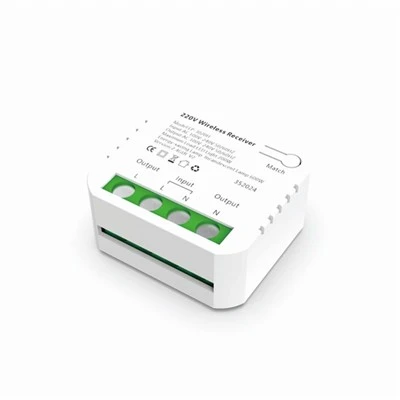
If you’re working on a small space project and want to find the right fit, I’m here to help. Whether you’re outfitting a studio kitchen, a tiny bathroom, or a compact pantry, I can walk you through the best options, adjust settings to match your space, and make sure you get a sensor switch that works as hard as your small space does. Reach out to start a conversation about what will work for your needs.
Cabinet LED Driver References
- National Kitchen and Bath Association. (2022). Small Space Design: Maximizing Function in Compact Cabinetry.
- Consumer Reports. (2023). Home Lighting Solutions for Small Spaces: A Guide to Sensor Switches.
- International Electrotechnical Commission. (2021). IP Ratings for Household Electrical Devices: Protective Standards for Wet and Dust-Prone Areas.
- Appleton, J. (2022). Compact Storage Solutions: Sensor Lighting for Narrow Drawers and Cabinets. Home Improvement Journal.
Dongguan Lanbaoli Intelligent Technology Co., Ltd.
As one of the most professional cabinet sensor switch manufacturers and suppliers in China, our products have good reputation in the market. We warmly welcome you to buy durable cabinet sensor switch for sale here and get pricelist from our factory. Quality products and low price are available.
Address: 10th Floor, Building 32, Golden Town, No.7 Technology Avenue, Houjie Town, Dongguan City, Guangdong Province
E-mail: anna@lampow.cn
WebSite: https://www.lblsensors.com/
