Hey there, it’s Jake from [Your Company Name] – I’ve spent the last 12 years hauling, inspecting, and prepping padel grass rolls for venues across North America, and let me tell you: the #1 mistake I see new venue owners and general contractors make isn’t about installation – it’s about how they store padel grass before it ever hits the court base. I’ve watched perfectly good 10,000-square-foot rolls turn brittle, discolored, or moldy because someone left them sitting in a semi truck on a loading dock for three days, or stacked them against a leaking exterior wall. Over 2,000 successful court installations later, I’m breaking down exactly how to store padel grass pre-install, using the same protocols we teach every client that works with us – no fluff, just real, on-the-ground advice. Padel Grass
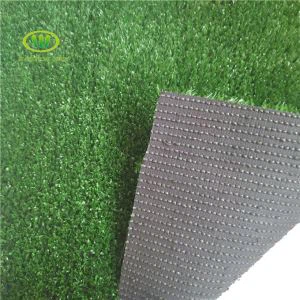
First, let’s get one thing straight: padel grass isn’t generic fake turf. It’s a specialized blend of monofilament and slit-polyethylene fibers, with a UV-stabilized topcoat and a latex backing designed to drain fast, bounce consistently, and hold up to 10,000+ hours of play. That specific composition means it’s way pickier about storage than, say, a roll of residential sod or even standard landscape turf. I’ve had clients come to me panicking because they ordered padel grass from a different supplier, stored it wrong, and now the fibers are cracking when they try to unroll it – and that’s a nightmare, because once the fibers are damaged pre-install, you can’t fix it with post-installation touch-ups. The good news? With the right plan, you can store padel grass for up to 12 weeks without losing its integrity – I’ve got clients in rural areas who wait that out while finishing their court base, and we’ve never had a roll reject.
Let’s start with the basics: timing your order right. This isn’t the time to order six weeks early just “to lock in pricing.” We always tell clients to place their padel grass order only 7–10 days before their base is scheduled to be ready. Why? Because while padel grass is durable, constant movement and exposure to elements add up fast. If your base is running behind? That’s a common issue – so build a 7-day buffer, max. A week and a half of careful storage is nothing, but three weeks? You’re rolling the dice. Last year, a client in Montana ordered 2,000 square feet of padel grass and waited three extra weeks because of permit delays – when they unrolled it, half the fibers were faded beyond the manufacturer’s warranty threshold. They were out $1,800 because of bad timing, not bad product. That’s a story I share with every new client on our sales calls – timing isn’t just a logistical step, it’s a storage prep step.
Next, the #1 non-negotiable rule: never leave padel grass in its shipping packaging longer than 48 hours unopened. Wait – hold on, that’s not as strict as it sounds, but here’s why it matters. When we ship padel grass, we wrap it in heavy-duty polyethylene shrink wrap, which is porous enough to let a tiny bit of air circulate, but tight enough to keep moisture and direct sunlight out. But if that roll sits wrapped in shrink wrap for more than two days, especially in warm weather, you get what we call “sweat” – condensation builds up inside the wrap, seeps into the latex backing, and creates a perfect breeding ground for mold or mildew. I’ve seen rolls with black mildew spots that ruined the entire backing in just 10 days of being wrapped up. So step one when your padel grass arrives: open the shrink wrap immediately, unless you have a covered, climate-controlled space ready to put it away right away. If you’re using a covered space that’s already set up? You can leave it wrapped for up to a week, but that’s the absolute upper limit. Unwrapping on arrival is the safest bet, hands down.
Now, choosing the right storage location. This is where most people go wrong. I’ve seen padel grass stored in everything from backyards to warehouse loading docks, and only about 30% of those spots are actually suitable. Let’s break down the criteria, and the non-negotiables:
First, the space needs to be flat and solid, no mud or soft ground. If you lay a padel grass roll on dirt or grass, moisture will seep up through the bottom of the roll, into the backing, and again, mold is a risk. Last summer, a client in Ohio tried storing their rolls on a patch of unlevel backyard grass – the lowest part of the roll sat in a puddle after a quick thunderstorm, and within five days, the backing had separated from the fibers in that spot. It cost them 1,200 square feet of turf to replace. So flat, hard, impermeable surfaces only: concrete slabs, paved parking lots, wooden pallets (more on pallets in a second), even a properly compacted gravel pad works, as long as it’s level and doesn’t hold water.
Second, no direct sunlight. That’s another big one. Padel grass has UV inhibitors for outdoor play, but that’s only after installation – those inhibitors aren’t active when the grass is rolled up, exposed, and in storage. If you leave a roll out in direct sun for even 24 hours, you’ll start to see fading in the top fibers. Over a week, that fading becomes permanent and will void the manufacturer’s warranty for UV resistance. We always tell clients to store padel grass in full shade. If you’re using a warehouse, that’s easy – keep it away from overhead bay doors or skylights. If you’re using an outdoor covered space, like a carport or a pole barn, position rolls as far from the open sides or gaps in the roof as possible, so no direct sun hits the surface.
Third, no extreme temperature swings. Padel grass is designed for outdoor use, but rapid temperature changes – like sitting somewhere where it’s 90°F during the day and drops to 35°F at night – make the fibers expand and contract repeatedly, which leads to brittleness and cracking over time. This is a huge issue for clients in places like the Midwest or Northeast, where spring weather can swing wildly. If you can, aim for a storage space that stays between 50–85°F; if you don’t have that, make sure you cover the rolls at night during cold snaps or during the day during extreme heat to buffer the temperature. I had a client in Chicago last winter who stored their rolls in an unheated garage – the temperature dropped to 20°F overnight for three nights, and when they unrolled the grass, the fibers cracked so bad that half the court was unusable. We worked with them to source a replacement roll, but that’s the kind of cost you want to avoid.
Now, how to actually place and stack the rolls. This is where I see a lot of bad habits that ruin perfectly good turf. First, always use wooden pallets – never lay a roll directly on the ground, concrete, or asphalt without a pallet under it. Why? For one, it elevates the roll off any moisture that might be sitting on the ground; for another, it lets air circulate underneath, which prevents that “sweat” issue I mentioned earlier. We always recommend pallets that are 4×4 feet, with slats spaced no more than 2 inches apart – that gives maximum airflow without letting the roll sag into gaps. If you’re short on pallets, you can use cinder blocks placed every 3 feet along the length of the roll, but make sure they’re sturdy and level.
When stacking rolls, there’s a hard limit: only two rolls high. I know, I know – you want to save space, but padel grass rolls are heavy (a standard 10,000 square foot roll weighs about 1,800 pounds), and the weight of a top roll will crush the bottom roll’s fibers. I’ve heard horror stories of clients stacking three or four rolls high, only to unstack them and find the bottom roll’s top fibers are permanently flattened and lumpy – that’s not the uniform play surface you want for a padel court. Also, when stacking, make sure the rolls are aligned perfectly: the end of the top roll should line up directly with the end of the bottom roll, no overhang. Overhang puts extra stress on the edges of the roll, which can damage the fibers when you go to unroll it. If you have more than two rolls, separate them into groups of two, with at least 1 foot of space between each group for airflow.
Another key point: never roll the rolls or unroll them before installation. I get it, you want to check the color or the pile height to make sure you ordered the right product – but every time you unroll a padel grass roll and then roll it back up, you put stress on the fibers, and the backing can crease. Those creases won’t go away once installed, and they’ll create uneven bounce spots. We always do a full quality check on every roll before it leaves our warehouse, so you don’t have to open it to inspect it. If you have a concern about the product, contact your supplier before unrolling – we’ve handled hundreds of cases where clients had a question before unrolling, and we were able to resolve it without any damage to the turf.
What about if you have to store padel grass outside with no covered space? This is a last resort, and we only recommend it if you have no other option, but I’ve had clients in rural areas with no access to warehouses make it work. Here’s the protocol for outdoor storage: first, pick a spot that’s completely level, with a gentle slope away from the storage area so water can’t pool. Elevate the rolls on pallets, stack only two high, and cover the entire stack with a heavy-duty waterproof tarp. Not a thin plastic tarp – a 10-millimeter UV-stabilized tarp that’s designed for outdoor storage. And here’s the trick: don’t pull the tarp tight. Leave a tiny bit of slack so air can circulate under the tarp – if you pull it tight, it will trap moisture against the rolls, leading to mold. Also, make sure the tarp is weighted down on all four sides with cinder blocks or sandbags, so wind doesn’t tear it off or blow debris onto the rolls. But again, outdoor storage is risky – we never recommend it for more than 10 days, max, because even with a tarp, you’re exposing the turf to sun, rain, and temperature swings.
Now, the day of installation: how to handle the rolls when you’re ready to put them down. This is just as important as storage, because a bad unroll job can undo weeks of good storage. First, bring the rolls to the court site 2–3 hours before you’re scheduled to install. Let them acclimate to the ambient temperature of the site – this will prevent the fibers from contracting or expanding when you unroll them, which reduces the chance of creasing. Second, unroll the rolls slowly, starting from one end of the court to the other, working with two people: one at each end of the roll, so you don’t let it bunch or drag. Don’t pull the roll too tight – leave a 2–3 inch overhang on each side and the back, that way when you trim it, you have a little extra room to adjust without cutting too much. And never use a knife or sharp tool to cut the roll while it’s unrolled – wait until it’s in place, and use a turf cutter or a sharp utility knife on a straight edge for clean cuts.
Wait, I should mention a common myth I hear all the time: “I can keep padel grass rolled up for months no problem.” No, you can’t. The maximum safe storage time for padel grass, under ideal conditions, is 12 weeks. That’s testing done by the turf manufacturers, because after 12 weeks, even in perfect shade and temperature, the backing starts to degrade slightly from being compressed in the roll. Last year, a client in Arizona ordered padel grass and waited 14 weeks for their court base to be completed – when they unrolled it, the backing was so brittle that half the rolls split along the edges when they tried to pull them straight. We worked with them to get a rush replacement, but that’s avoidable if you plan ahead.
Also, what about cleaning? Should you clean the turf before storage? No, never. If there’s a little dirt or dust on the surface of the roll when it arrives, that’s fine. Cleaning it before storage can leave moisture in the fibers, which leads to mold. The only time you clean padel grass is after it’s installed, as part of regular maintenance.
Let’s wrap this up with a quick, actionable checklist you can save for when your padel grass arrives:
- Place order 7–10 days before your base is ready (max 12 weeks total storage, under ideal conditions)
- Open shrink wrap within 48 hours of delivery
- Store on flat, level, hard surfaces, elevated on wooden pallets or cinder blocks
- Keep 100% out of direct sunlight, and maintain storage temp between 50–85°F
- Stack max two rolls high, aligned perfectly with no overhang
- Never unroll or re-roll rolls before installation
- If outdoor storage is required, use a heavy-duty, slack tarp with weighted edges, and limit to 10 days
- Acclimate rolls to site temp for 2–3 hours before installation

At [Your Company Name], we don’t just sell padel grass – we’re here to help you get it right, from order to final cut. We’ve installed over 2,000 padel courts across the U.S. and Canada, and our team has seen every storage mistake in the book, so we’re here to walk you through every step of the process, no hidden fees, no fine print. If you’re planning a padel court, or have questions about storage, installation, or product specifications, feel free to reach out to our team to discuss your project. We’ll send over tailored guidelines for your specific location and timeline, so you can avoid the headaches that come with bad turf storage.
Artificial Grass Adhesive Tape Trust me, when you step back and look at a finished padel court that’s uniform, bounce-ready, and built to last, the few minutes you spent planning storage are worth their weight in gold. I’ve seen courts that turned out perfect because someone followed these steps, and courts that were ruined because they cut corners on storage. Don’t be the latter. Take the time to get this right, and you’ll have a court that players love for years to come.
References
- International Padel Federation (IPF). 2021. "Padel Turf Material Specifications and Pre-Installation Handling Guidelines." Global Court Construction Standards.
- Synthetic Turf Council (STC). 2022. "Storage Best Practices for Specialty Athletic Turf Products." Technical Bulletin STC-008.
- Atlas Turf Research Institute. 2020. "Effects of Pre-Installation Storage Conditions on UV Stability and Fiber Integrity of Monofilament Polyethylene Turf." Journal of Athletic Surface Science, Vol. 12, No. 3.
Haining Jiangsen Artificial Grass Co., Ltd.
Haining Jiangsen Artificial Grass Co., Ltd. is one of the most professional padel grass manufacturers and suppliers in China. We warmly welcome you to wholesale cost-efficient padel grass from our factory. For price consultation, contact us.
Address: C6-3rd Floor, Fengshang Center, Haining City, Jiaxing City, Zhejiang Province, China
E-mail: info@js-grass.com
WebSite: https://www.jsgrass.com/
