If you’ve ever spent time at a job site, a marine fabrication yard, or a warehouse exposed to high humidity, you know chain slings and rigging hardware don’t just stop working when they get wet. Water, especially in combination with salt, chemicals, or constant temperature swings, eats away at steel, weakens welds, and turns reliable gear into a safety hazard faster than most rigging teams expect. As a supplier of chain slings and hardware riggings, I spend every day talking to riggers, project managers, and maintenance crews who’ve learned this lesson the hard way—whether that’s a corroded chain link snapping mid-lift at a construction site, or a shackle pin seizing up during a critical marine load move. Chain Sling and Hardware Riggings
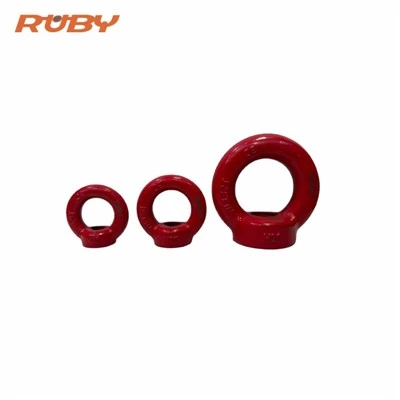
Waterproofing for rigging gear isn’t about wrapping a chain in plastic and calling it done. It’s a set of targeted, science-backed steps designed to prevent corrosion, material degradation, and mechanical failure, tailored to the environment the gear will operate in. Over the years, I’ve worked with teams to implement these measures for everything from galvanized chain slings for coastal oil rigs to stainless steel hardware for food processing facilities, and I’ve seen first-hand how the right approach extends equipment life by 300% or more. Let’s break down what actually works, why it works, and the common mistakes that can leave even the most seemingly “protected” rigging at risk.
First, let’s start with the basics: why rigging gear is uniquely vulnerable to water damage. Most chain slings and rigging hardware—shackles, hooks, eye nuts, master links, all the parts that hold a lift together—are made from carbon steel or alloy steel, chosen for their high tensile strength and resistance to heavy loads. But steel’s enemy is moisture: when oxygen and water mix, they trigger a chemical reaction called oxidation, which we know as rust. Rust doesn’t just discolor metal; it eats through the material from the inside out, reducing the cross-sectional area of a chain link or shackle pin so much that its rated load capacity drops, often below the required safety factor before you even notice.
Salt water, which is common in marine, coastal construction, and even some industrial water treatment facilities, amplifies this problem. Salt ions are smaller than water molecules, so they seep into tiny scratches, weld seams, and the microscopic gaps in a chain’s surface. Once there, they act as electrolytes, speeding up oxidation by up to 10 times faster than fresh water. That’s why a shackle left out on a dock overnight can develop pitting corrosion (small, deep holes in the metal) in just a few days, while the same shackle left in a dry office might last a decade without rust. Chemicals, too—from fertilizer runoff to industrial cleaners—can react with steel’s protective coatings, breaking them down and leaving the base metal exposed.
With that context in mind, let’s get into the proven waterproofing measures, starting with the most foundational step: selecting the right base material and protective coating for your specific environment. This isn’t a one-size-fits-all decision, and picking the wrong material is the biggest mistake I see clients make. For example, a carbon steel chain sling coated with hot-dip galvanizing works great for indoor warehouses or occasional outdoor use in fresh rain, but it will corrode rapidly in salt water. In that case, the right move is to specify alloy steel rigging hardware with a 316 stainless steel grade, which has high chromium and molybdenum content that resists salt corrosion far better. For mid-tier applications, hot-dip galvanized carbon steel is still a solid choice: the process involves dipping finished chain and hardware into molten zinc, which forms a tight, durable coating that acts as a physical barrier between water and steel. The key here is to make sure the galvanizing is done correctly—poorly applied galvanizing with thin spots or rough edges will flake off within months, leaving the metal vulnerable.
For more harsh environments, epoxy or powder coating is a next-level step, especially for rigging that’s stored outdoors or exposed to chemicals. Unlike galvanizing, which is a metallurgical bond between zinc and steel, powder coating is a dry powder applied electrostatically and then cured in an oven, creating a thick, uniform layer that resists abrasion as well as corrosion. I recently supplied a set of powder-coated chain slings to a food processing plant, where the gear is regularly hosed down with caustic cleaners to remove food residue; the powder coating stood up to 18 months of weekly washings without chipping or peeling, whereas galvanized gear would have started rusting through in 6 months in that same environment. The caveat here is that powder coating is only effective if applied to properly prepared metal. Any dirt, oil, or rust on the metal surface before coating will create gaps where water can seep in, so surface preparation—sandblasting to a near-white metal finish, or at least removing all grease and loose rust—is non-negotiable.
Even with the best coatings and materials, rigging gear is not impervious to water, so secondary preventive measures are critical, starting with post-use drying. Many rigging teams will wash down gear after a job site, or leave it out in the rain overnight, and then stow it away wet, assuming the coating will protect it. But trapped moisture, especially in tight gaps between chain links, shackle pins, or hook eyes, is a corrosion time bomb. Last year, a rigger came to me with a set of Grade 8 chain slings that had snapped during a lift; when we inspected the broken link, we found hidden corrosion inside the link, caused by water that had gotten trapped between the chain’s inner and outer plates after a rainstorm. The rigger told me they’d hung the slings up to dry for an hour, but that wasn’t enough—chain links have tiny crevices that trap moisture, and even a thin layer of water will cause rust in as little as 24 hours. The solution here is simple: for gear that’s been exposed to water, dry it completely before storage, and pay attention to hard-to-reach areas. We recommend using low-pressure, forced-air drying (like a portable leaf blower or heat gun on a low setting) for chain slings, and removing shackle pins to dry the inside of the shackle body and pin holes separately. For marine rigging, we even suggest using a light coating of anti-corrosion grease (compatible with the material) on pins and joints after drying, to create an extra barrier.
Storage is another make-or-break factor for waterproofing. I’ve seen perfectly good rigging gear ruined by being stored in a damp warehouse corner, left directly on a concrete floor, or wrapped tightly in plastic without any airflow. Concrete, in particular, wicks moisture up from the ground, so storing chain slings or hardware directly on concrete will trap moisture against the bottom of the links or shackles, causing rust to form from the ground up. The fix is to store rigging off the ground, on a metal rack or wooden pallet, in a dry, well-ventilated area. Avoid wrapping rigging in airtight plastic for long-term storage, because that traps any remaining moisture inside, creating a humid environment perfect for corrosion. Instead, use breathable fabric covers or leave gear exposed to air, or if you need to wrap it temporarily, use perforated plastic that allows airflow. For teams that have to store rigging outdoors (a common challenge for construction sites that lack covered storage), we recommend using heavy-duty, UV-resistant tarp covers, and elevating the gear on metal stands to keep it off wet ground. Also, avoid stacking heavy items on top of rigging, which can bend links or damage protective coatings, creating entry points for water.
Regular inspections are part of waterproofing too, because even small, unnoticed damage to a coating can lead to big problems down the line. We always advise clients to inspect every chain link, shackle, and hook before each use, and do a deeper monthly inspection for gear exposed to water or harsh environments. When inspecting, pay close attention to welds, thread edges, and any scratches or chips in the protective coating—these are the places where water and salt will first penetrate. If you find a small chip in a galvanized coating, you can touch it up with zinc-rich paint to seal the gap; for larger scratches or coating damage on powder-coated gear, a small dab of epoxy primer will work temporarily, though if the damage is extensive, it’s best to send the gear out for re-coating, or replace it if it’s past its rated service life. Also, keep an eye out for seized pins: a shackle pin that won’t turn is a sign that water has gotten into the pin hole and started corroding the joint, which can lead to the pin snapping under load. Regularly lubricating pins and joints with a rigging-specific anti-seize compound (not general-purpose grease, which can wash away in water) prevents this.
Now, let’s talk about common myths that I see rigging teams falling for, because these can undermine even the best waterproofing efforts. The first myth is that all “corrosion-resistant” rigging is the same. A lot of suppliers will label chain slings as “corrosion-resistant,” but that doesn’t mean they’re waterproof for salt water. There’s a big difference between hot-dip galvanized Grade 30 chain, which is great for fresh water, and 316 stainless steel Grade 100 chain, which is made for marine environments. Always ask for the specific grade and coating when ordering, and match it to your environment. Another myth is that rust on a chain is just cosmetic and doesn’t affect strength. That’s not true—even surface rust is a sign that oxidation is already eating into the metal, reducing its load capacity. A chain with minor surface rust can have up to 15% less strength, which is enough to cause a failure if you’re lifting heavy loads. And finally, the myth that waterproofing is a one-time step when you buy the gear. It’s not—waterproofing is an ongoing practice: drying after use, storing correctly, inspecting regularly, and touching up coatings as needed. I’ve had clients who’ve had the same set of rigging for 12 years, not because they bought the most expensive gear, but because they followed these steps to keep it protected.
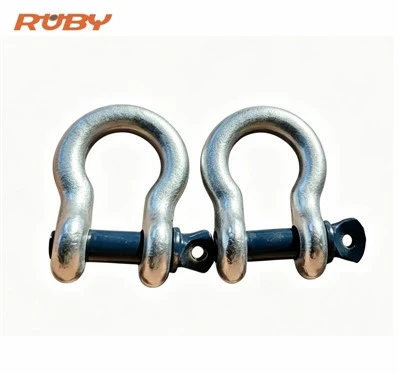
At the end of the day, the goal of chain sling and rigging hardware waterproofing isn’t just to make gear last longer—it’s to keep jobs safe. A rigging failure isn’t just a lost piece of equipment; it can lead to injuries, damage to materials, and costly project delays. As a supplier, my job isn’t just to sell you chain slings and hardware—it’s to help you choose the right gear for your environment, and walk you through the steps to keep it in good shape. If you’re working on a project where your rigging will be exposed to water, salt, or chemicals, or if you’re worried your current gear isn’t holding up as well as it should, I’d encourage you to reach out to discuss your needs. We can walk through the right materials, coatings, and maintenance steps to keep your rigging safe and functional for years to come.
Weldable Lifting Lugs References
- ASME B30.9: Safety Standard for Slings, American Society of Mechanical Engineers
- ASTM A395: Standard Specification for Steel Chain, Alloy, Heat-Treated, for Lifting Service
- Corrosion Control for Steel Structures, National Association of Corrosion Engineers (NACE)
- Marine Rigging Best Practices, International Association of Marine Industries (IAMi)
- Chain Sling Maintenance Guidelines, Industrial Riggings Association (IRA)
Hangzhou Ruby Imp. & Exp. Co., Ltd.
As one of the most experienced chain sling and hardware riggings manufacturers and suppliers in China, we offer a wide range of products with superior quality. We warmly welcome you to wholesale custom made chain sling and hardware riggings at competitive price from our factory.
Address: Taoyuan Industrial Park, Puyang Town, Xiaoshan, Hangzhou, Zhejiang, China.
E-mail: Sales5@z2lifting.com
WebSite: https://www.rubylifting.com/
