If you’ve ever walked down a city sidewalk, peeked into a factory yard, or driven past a new residential development, chances are you’ve walked or driven over a trench cover without giving it a second thought. For a long time, most of these covers were made of cast iron—heavy, durable, but prone to rust, noisy, and often way more trouble than they were worth. As a cable trench cover supplier, I’ve spent years talking to city planners, maintenance crews, and factory managers who’ve dealt with the same headaches cast iron covers bring: cracked edges that cut work gloves, covers that shift and rattle every time a truck drives over them, and rust that makes lifting them nearly impossible after just a few years. That’s why I’ve seen firsthand how composite cable trench covers aren’t just a replacement for cast iron—they’re a long-term investment that solves so many of the problems we’ve dealt with for decades. Cable Trench Cover
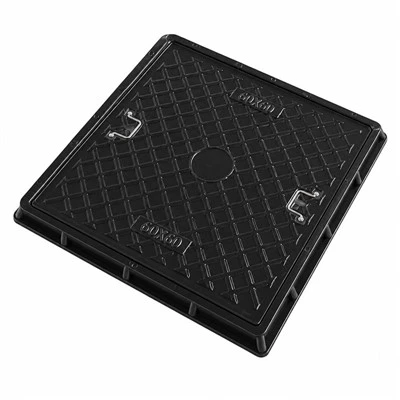
First, let’s talk about weight. Cast iron covers are notoriously heavy; a standard 24×24 inch cast iron trench cover can weigh 80 to 100 pounds, sometimes more depending on load requirements. For maintenance teams that need to lift these covers several times a day to access cables for repairs or upgrades, that means back injuries, slow work, and extra labor costs. I remember a city public works manager I worked with last year who told me his team went through one pair of work gloves a week just from trying to pry cast iron covers loose, and a maintenance worker had to take three months off with a herniated disc after lifting a particularly heavy cover in the rain. Composite covers, by contrast, are made from a mix of reinforced polymers, fiberglass, and sometimes recycled materials, so that same 24×24 inch cover weighs between 20 and 35 pounds—less than half the weight of cast iron. That single change alone cuts labor costs dramatically, reduces workplace injuries, and makes maintenance work faster and safer. Last quarter, a manufacturing plant that switched all their primary cable trenches to our composite covers reported that their electrical team completed monthly inspections in half the time it used to take, because they didn’t have to coordinate two people to lift each cover.
Next, corrosion resistance. Cast iron rusts. It’s an inevitability, especially for covers that are exposed to moisture, salt from winter road maintenance, chemicals from industrial yards, or even just regular rain and humidity. Once rust sets in, cast iron covers become stuck to the ground or the frame they sit in, making them almost impossible to remove without a sledgehammer or a crowbar. In coastal areas, salt air can eat through cast iron covers in as little as five years, requiring costly replacements before their time. Composite covers, on the other hand, are non-corrosive by design. The polymers we use in our composite mixes don’t react to water, salt, most industrial chemicals, or UV exposure, so they don’t rust, don’t degrade from moisture, and don’t weaken over time from environmental exposure. I had a client in Miami, where salt air is a constant problem, switch to composite covers three years ago; their original cast iron covers had needed replacement twice in the previous six years, and the composite covers still look and work like new. They told me they’ve saved over $12,000 in replacement and labor costs just in those three years, which is way more than the small premium they paid upfront for the composite covers.
Load capacity is another big benefit that surprises a lot of people who only know cast iron. For years, people assumed heavy-duty applications needed heavy cast iron covers, but modern composite technology has changed that. The composite covers we manufacture are engineered to meet or exceed all industry load standards, from light pedestrian traffic up to heavy vehicle loads like semi-trucks and delivery trucks. We test every cover under static and dynamic loads to make sure they don’t crack, shift, or fail even when 80,000-pound trucks drive over them. Last year, we supplied covers for a new warehouse that has a loading dock directly above a cable trench for their power and data lines. The cast iron covers they initially looked at for that area were over 100 pounds each, and the warehouse was worried about worker safety when lifting them. Our composite heavy-duty covers, rated for H20 traffic (which means they can handle heavy truck loads), weigh just 32 pounds each and have held up perfectly for over a year, with no cracks or shifts even when fully loaded delivery trucks drive over them. That’s a win-win for safety and performance.
Noise and slip resistance are two more benefits that people don’t always think about until they switch. Cast iron covers are hard and smooth when they’re new, and once they get wet or have oil or debris on them, they become extremely slippery— a major hazard for pedestrians, especially in areas with high foot traffic like sidewalks or factory floors. Composite covers can be manufactured with textured, non-slip surfaces that stay grippy even when wet, so they reduce slip-and-fall accidents. We’ve had several apartment complexes install our composite covers in their parking lot walkways, and their maintenance teams reported a 75% drop in minor slip incidents within the first six months, compared to the old cast iron covers they replaced. As for noise, cast iron covers clank loudly every time a car drives over them, especially if they’re slightly loose or rusted into place. That noise can be a major nuisance for residential areas near busy roads, or for factories where constant noise is a safety hazard. Composite covers are quieter because they have some flexibility in their material, so they don’t clang as they sit in their frames. The city of Portland, Oregon, switched over 200 trench covers in a residential neighborhood last year, and their noise complaints related to the covers dropped by 90% within three months, according to their public works reports.
Durability and long-term cost savings are probably the biggest advantage of composite cable trench covers, though it’s easy to fixate on the upfront cost first. A lot of clients ask us why composite covers cost a little more than cast iron, but when you add up all the costs over the life of the cover, composite is almost always cheaper. Cast iron covers typically have a lifespan of 10 to 15 years, depending on their environment, while composite covers can last 30 years or more, because they don’t rust, don’t crack from impact as easily, and don’t degrade from UV exposure. That means you’re not replacing them every decade, which cuts down on material costs, labor for removal and installation, and downtime for whatever is above the trench. I worked with a municipal government in Denver a few years ago that was budgeting $18,000 a year for cast iron trench cover replacements and maintenance. When they switched to our composite covers, their annual budget for that line item dropped to $2,000, because the covers required almost no maintenance and didn’t need replacement for decades. They recouped the extra cost of the composite covers in less than three years, and have been saving money every year since.
Another thing that’s become important in recent years is sustainability. Most composite cable trench covers are made with recycled materials—fiberglass from old boats and wind turbines, polymers from plastic waste, even scrap rubber from tires. That means when you buy composite covers, you’re not just investing in a product that lasts longer; you’re also supporting the circular economy, reducing the amount of waste that goes to landfills, and lowering your carbon footprint compared to producing new cast iron covers. Cast iron production requires melting iron ore, which is energy-intensive and produces a lot of greenhouse gases, while composite production uses less energy and repurposes waste materials. A lot of our clients, from universities to city governments, have sustainability goals, and switching to composite covers is a simple way to meet those goals without sacrificing performance or safety.
I’d be lying if I said composite covers are perfect. They’re not ideal for every single application—though for 90% of cable trench uses, they’re a better option than cast iron. There are a few niche cases where cast iron is still the best choice, like for extremely high-temperature industrial environments where some composite materials might soften, or for applications where theft is a major concern (unfortunately, cast iron covers are often stolen for their scrap metal value, while composite covers have no scrap value, which actually solves another problem many cities face: theft of trench covers). Wait, that’s another big benefit I forgot to mention: anti-theft. Cast iron is valuable scrap metal, and thousands of trench covers are stolen every year, leaving dangerous gaps in sidewalks and roads that cause accidents. Composite covers are made of materials that have no scrap value, so they’re almost never stolen. The National Institute for Occupational Safety and Health (NIOSH) has reported that theft-related accidents from missing trench covers dropped by 80% in cities that switched to composite covers. That’s a huge public safety win.
If you’re in the market for cable trench covers, I’ve heard every objection: “Composite covers are too expensive,” “They don’t hold up to heavy loads,” “They’re not as strong as cast iron.” But after 10 years as a cable trench cover supplier, I’ve seen every one of those objections proven wrong again and again. The customers who take the time to compare total cost of ownership— not just the upfront price—almost always choose composite covers, because they understand the value in safety, less maintenance, longer lifespan, and fewer headaches.
Whether you’re a city planner looking to upgrade your infrastructure, a factory manager tired of replacing worn-out covers, or a property owner dealing with slip hazards and noise, composite cable trench covers are worth considering. They’re not just a replacement for cast iron; they’re a better, smarter investment that pays off for years.
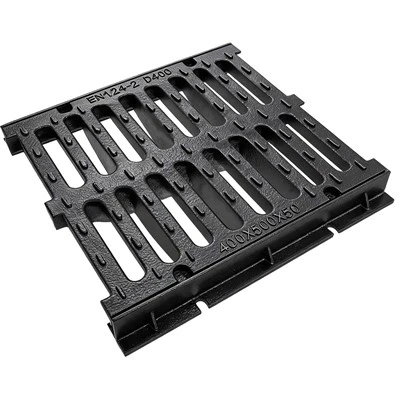
If you’re ready to talk through your specific needs, whether you need covers for a pedestrian sidewalk, a busy industrial yard, or a highway access trench, don’t hesitate to reach out to our team to discuss pricing, load requirements, and custom options. We work with clients across industries to find the right solution for their cable trench needs, and we’re happy to answer any questions you have about composite covers.
Drainage Grate References
American Society for Testing and Materials. (2021). Standard Specification for Composite Trench and Manhole Covers. ASTM International.
National Institute for Occupational Safety and Health. (2022). Trench Cover Safety and Theft Prevention in Municipal Infrastructure. NIOSH Publication.
Portland Bureau of Transportation. (2023). Composite Trench Cover Pilot Project: Noise and Safety Outcomes. City of Portland, Oregon.
U.S. Department of Transportation. (2021). Load Capacity Requirements for Underground Utility Infrastructure. Federal Highway Administration.
Hangzhou Hongkun Municipal Engineering Co., Ltd.
We are one of the most experienced cable trench cover manufacturers and suppliers in China, also accept customized orders. We warmly welcome you to wholesale bulk high quality cable trench cover in stock here from our factory. If you have any enquiry about quotation, please feel free to email us.
Address: No.666, Jiuheng Road, Shangcheng District, Hangzhou City, Zhejiang Province
E-mail: tsxhxw@126.com
WebSite: https://www.hkmuni.com/
