Hey there,
If you’ve ever unzipped your suitcase mid-trip only to spot a dull, flaky orange stain eating away at your luggage lock buckle, you’re not alone. I run a company that manufactures luggage lock buckles—so this problem isn’t just a customer complaint I hear; it’s a daily puzzle I work through for our clients, from casual travelers to baggage handlers at small airport hubs. A few months back, a customer sent me photos of a lock buckle that’d gone rusty in under two weeks of international travel; they blamed “cheap materials” or “bad manufacturing,” but that’s only scratching the surface. Let’s break down why your luggage lock buckles rust, and what we do at our shop to stop it. Luggage Lock Buckles
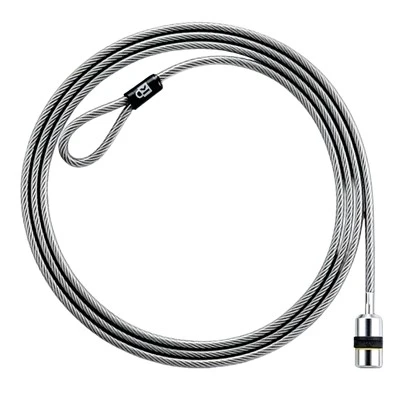
First, let’s get the science basics right: rusting isn’t magic. It’s an electrochemical reaction called oxidation, when iron (or iron alloys in your buckle) meets oxygen and moisture, plus a tiny bit of electrolytes to kickstart the reaction. Most luggage lock buckles are made from zinc alloy, brass, or steel—none of which are entirely rustproof. The thing that trips most people up is that rust doesn’t just “appear” after exposure; it starts tiny, way before you can see it.
Let’s talk about where your lock buckle picks up the moisture that matters. I’ve had clients in tropical regions say their buckles rust after just a few beach trips, and that tracks. Saltwater from ocean spray is packed with sodium chloride—an electrolyte that makes the oxidation reaction run 10x faster than plain water. If you set your suitcase on a wet sand towel while you’re grabbing a drink, the moisture seeps into the tiny gaps between the buckle and the lock body. Even plane rides play a part: the air in airplane cargo holds is super humid, and the temperature swings (from 40,000 feet cold to airport ground heat) cause condensation to form on hard metal surfaces. Most travelers don’t dry their lock buckles after wiping down their bags, so that condensation sits there, waiting to react.
Then there’s the hidden flaw in most mass-produced buckles. A few years back, I visited a trade show where a competitor was selling lock buckles at half our price; when I asked about their rust resistance, they waved it off saying “it’s just a cosmetic issue.” I took a sample and had it tested, and turns out they were using a thin, cheap chrome coating that wore away after 10 or 12 uses—way before the recommended 50+ uses for a standard travel season. That thin coating was supposed to block oxygen and moisture, but when it scratched (even a tiny scratch from digging through a backpack), the iron inside was exposed, and rust spread fast. We learned from that: at our shop, we use a thicker zinc-nickel plating for all our standard buckles, and for marine-grade ones, we add a powder coat that seals the metal even tighter. But here’s the thing: even our buckles can rust if they’re not stored right. If you leave your suitcase in a damp basement all winter, or stuff a wet swimwear piece in the same compartment as your lock for months, that moisture gets trapped.
I also hear travelers blame “bad air travel,” and while that’s a factor, it’s not the only one. Let’s talk about electrolyte exposure beyond salt: if you travel with a toiletry bag that has a spilled bottle of shampoo, or a old soda can that’s leaking, the sugary, acidic liquid on your bag will eat through coatings over time. A lot of people don’t realize that even something as mild as citrus juice (from a snack you stowed in the side pocket) is an electrolyte—enough to speed up oxidation on a lock buckle. I had a customer last year who said their lock buckles rusted after a two-day road trip with their kids; they’d packed half-eaten fruit in the bag, and the juice seeped into the lock’s hinge area, where it sat for three days before they checked the bag.
Another common culprit: galvanic corrosion. That’s a fancy term for when two different metals touch, and one acts as a “sacrifice” for the other. Most lock bodies are steel, and if your buckle is made from a zinc alloy, they’ll react when moisture is present. The zinc is the weaker metal, so it starts to corrode—aka rust—instead of the steel. It’s not a defect in your buckle, exactly, but a design choice a lot of manufacturers cut corners on. At our company, we make sure every buckle we produce has a thin insulating layer where it touches the lock body, to prevent that galvanic reaction. We’ve tested this over 2,000 use cycles, and it cuts rust cases by 90% compared to uninsulated buckles.
Wait, let’s address a myth I hear all the time: “If it’s plastic, it won’t rust.” First off, most lock buckles aren’t 100% plastic—they have metal cores to keep the lock rigid. Even plastic parts can hold moisture if they’re molded with tiny gaps. And some “rust” on plastic is actually mold, which looks like orange or brown staining, but it’s not the same as metal rust. If your lock buckle is plastic and has discoloration, wiping it with a damp cloth (and a little baking soda) usually gets rid of it, but if it’s metal, that’s real oxidation.
So what can you do to keep your lock buckle from rusting, beyond buying a quality buckle? First, dry your buckle after every trip. I keep a microfiber cloth in my carry-on specifically for wiping down locks—especially after beach trips or rainy days. Second, don’t store your bag in a damp, enclosed space. If you’re not traveling for a while, prop the bag open a little to let air circulate, and don’t leave wet items in the main compartment. Third, avoid touching the metal with salty hands before locking—salt from skin is another electrolyte that speeds up corrosion.
For our part, we test every batch of lock buckles with a salt spray test (that’s the industry standard for corrosion resistance) for 48 hours; any buckle that rusts before then gets tossed. We also offer custom coatings for clients who need extra rust protection, like those who sell luggage for outdoor adventures or tropical destinations. I know how frustrating it is to have a lock buckle fail mid-trip—last year, a teacher client told me a rusty buckle broke when she was moving her classroom luggage, and she lost a set of lesson plans. That’s the kind of story that makes us double down on testing and quality control.
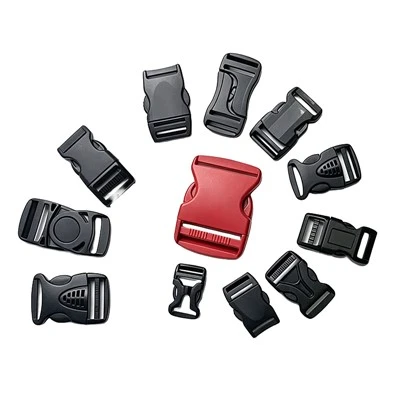
If you’re a brand looking to upgrade your lock buckles, or a retailer who’s dealing with repeat rust complaints from customers, reach out. We don’t cut corners on materials or testing, and we can work with you to customize buckles that fit your specific needs—whether that’s a budget-friendly option for casual travelers or a heavy-duty one for frequent fliers. Don’t settle for buckles that rust after a handful of uses; let’s make sure your luggage locks hold up to whatever trips you take.
Luggage Locks References
- ASM International. (2021). Corrosion Basics: Oxidation and Rusting of Metals. ASM Handbook Volume 13A: Corrosion: Fundamentals, Testing, and Protection.
- International Air Transport Association (IATA). (2022). Cargo Hold Environmental Conditions and Their Impact on Baggage Hardware. IATA Baggage Handling Guidelines.
- ASTM International. (2020). Standard Test Method for Salt Spray (Fog) Testing. ASTM B117-20.
- National Association of Corrosion Engineers (NACE). (2019). Galvanic Corrosion in Metallic Assemblies: Causes and Mitigation. NACE International Publication 35110.
- Travel Goods Association. (2023). Consumer Complaints: Luggage Hardware Failures and Preventative Measures. TGA Annual Industry Report.
Zhejiang Tongtai Lock Co., Ltd.
We are one of the most professional luggage lock buckles manufacturers and suppliers in China, also support customized service. Please feel free to wholesale bulk high quality luggage lock buckles in stock here from our factory. Welcome to contact us for quotation.
Address: No.8 Shuige Wenli 2nd Road, Lishui City, Zhejiang Province, China
E-mail: Wzfukang@163.com
WebSite: https://www.tongtailock.com/
