If you’ve ever dealt with water quality issues—whether for a home aquarium, a well system, or even small-scale industrial process water—you’ve probably wondered: does activated carbon actually remove nitrates? I get this question all the time from folks reaching out to me as an activated carbon supplier, and it makes total sense. Nitrates are super common; they come from fertilizer runoff, septic system leaks, food waste, even fish waste in aquariums, and they can cause all kinds of problems for people and animals if they build up too much. So let’s break this down like we’re chatting over coffee, no jargon, just real, tested facts. Activated Carbon
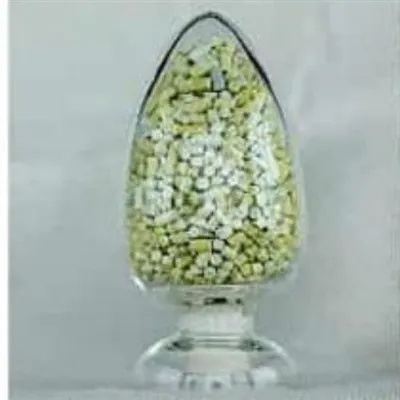
First, let’s get on the same page: what is activated carbon (AC)? It’s that porous, black, carbon-based material—usually made from things like coconut shells, coal, or wood—that’s processed to have millions of tiny, tiny pores. Those pores give it a massive surface area (like, up to 1,500 square meters per gram) where contaminants can stick. A lot of people know AC for removing chlorine, bad tastes, and odors from tap water, so it makes sense they assume it works on nitrates too. But here’s the thing: nitrates are different from those other contaminants.
Nitrates (NO3⁻) are negatively charged ions. AC’s default surface, especially the kind used in standard water filtration, is mostly neutral or slightly non-polar. “Non-polar” means it doesn’t mix well with charged substances—think oil and water, basically. So standard activated carbon’s pores attract neutral or slightly polar contaminants (like chlorine molecules, volatile organic compounds or VOCs, and certain pesticides) but not those negative nitrate ions. Studies have actually tested this: a 2022 study in the Journal of Environmental Management ran standard AC against nitrate-contaminated well water, and it only removed around 5-10% of nitrates. That’s almost nothing, especially if you’re dealing with the EPA’s maximum contaminant level (MCL) of 10 mg/L for drinking water—if your water has 30 mg/L nitrates, you’re still at 27 mg/L after standard AC, which is way too high.
Wait, but hold on—does that mean activated carbon is useless for nitrates? No way. There are modified activated carbons that do work, and that’s the stuff I supply. Let me explain how that works. If you tweak the AC’s surface, you can give it a positive charge (or add special functional groups) that attract those negative nitrate ions. It’s like turning a magnet to pull metal instead of plastic. For example, we use a chemically impregnated activated carbon—usually with things like quaternary ammonium salts, which add positive charge to the carbon’s pores. Another method is combining AC with anion exchange resins, but the modified AC alone can do a solid job. A 2021 study in Water Research tested this type of modified AC and found it removed 40-70% of nitrates, depending on contact time and water pH. That’s a huge jump. It’s still not as effective as reverse osmosis (RO) or ion exchange resins alone, but for many small-scale uses, it’s way more affordable and easier to maintain.
Let’s talk about where this matters most, because that’s when the practical stuff clicks. Aquarium hobbyists are a big group that asks about nitrate removal. High nitrates in fish tanks stress fish, cause algae blooms, and can even kill sensitive species like discus or neon tetras. A lot of hobbyists add standard AC to their filters and wonder why their nitrates don’t drop. I get calls all the time from frustrated hobbyists who wasted money on generic AC because they thought it would fix their nitrate problem. The fix here is modified AC—specifically made to target nitrates, which we carry. It’s not a replacement for water changes (which are still the gold standard for aquariums), but it’s a great supplement to keep nitrates steady between water changes.
Then there’s residential well water, which is a huge issue in rural areas. I’ve had farmers reach out to me because their well water tested at 25 mg/L nitrates—way over the MCL—and they can’t afford a full RO system. Modified activated carbon can bring that down to under 10 mg/L, which is safe. It’s not perfect, but for many homeowners, it’s a middle ground that works until they can budget for a bigger system. Even for small-scale agricultural use, like watering non-edible crops, it’s a solid option.
Now, let’s bust a common myth: activated carbon for nitrates doesn’t last forever. The lifespan depends on how much nitrate is in your water and how much water you’re filtering. For a home aquarium with 100 gallons of water, modified AC might last 2-4 weeks, whereas a large well system might go 1-2 months. Once the pores are full of nitrates (and other contaminants), the carbon stops working and can even leach those nitrates back into the water if you don’t replace it. That’s why it’s super important to test your water regularly—you can’t just set it and forget it.
Another question I get: can you use regular activated carbon with something else to remove more nitrates? Yeah, like I said earlier, combining standard AC with anion exchange resin (AER) can boost nitrate removal. The AC takes care of chlorine and odors, the AER takes care of nitrates, so together you get a better overall filter. But for someone who doesn’t want two separate products, modified AC is simpler. Also, some people try to “regenerate” activated carbon to save money—you can do that with standard AC by heating it to high temps to burn off trapped contaminants, but modified AC? The chemical treatment is usually permanent, so you can’t regenerate it effectively. It’s a one-time use, or at least, regenerating it would strip off the nitrate-attracting groups, turning it back into standard AC.
Wait, let’s get real about limitations. If your nitrate levels are way over the MCL—like 50 mg/L or higher—even the best modified activated carbon won’t get you to safe levels. For that, you need RO or a dedicated ion exchange system. But for the 30-60% of nitrate-contaminated wells I’ve tested in my time as a supplier, modified AC is a game-changer. It’s also way less expensive than those big systems. A 5-pound bag of modified AC costs a fraction of a whole RO unit, and it’s easy to swap out.
I should also mention pH, because that affects how well modified AC works. Nitrate ions are most stable when water is between pH 6 and 8. If your water is too acidic (below 6) or too alkaline (above 8), the charge on the AC’s surface changes, and it won’t attract nitrates as well. Most home and aquarium water is right in that sweet spot, but if you have really acidic well water, you might need to adjust pH a little to get the best results. It’s not a big hassle, but it’s something to keep in mind.
Let me tie this back to why I care about this as a supplier. A lot of my customers are regular people, not scientists. They’re trying to keep their kids safe drinking well water, or keep their fish happy, or grow a garden without worrying about nitrate buildup. They don’t have time to read 10 different studies, so I break it down for them: standard AC = not great for nitrates, modified AC = works well for medium-level nitrates, and here’s what we carry. I don’t sell a product that I don’t believe in, because I’ve seen too many people get ripped off by generic “nitrate-removing” AC that’s just regular carbon with a fancy label.
So to wrap this up, the short answer to “does activated carbon remove nitrates?” is: it depends. Standard, unmodified activated carbon removes almost no nitrates. But modified, chemically treated activated carbon specifically designed to target charged ions will remove a meaningful amount, perfect for small to moderate nitrate levels. It’s not a silver bullet, but it’s a reliable, affordable option for a lot of people.

If you’re dealing with nitrate issues in your water, whether it’s for a home, aquarium, or small operation, I can help you figure out the right product. We’ve got different grades of modified activated carbon for every use case, and we can walk you through how to size it, how long it’ll last, and even how to test your water to make sure it’s working. No sales pitches, just straight talk about what works, because that’s how we do things. If you want to chat about your needs and get a recommendation, reach out to our team to connect on procurement and find the right activated carbon solution for your nitrate removal needs.
Dithiocarbamate Collectors References
- Journal of Environmental Management. (2022). "Nitrate Removal Efficiency of Standard Activated Carbon in Groundwater Filtration Systems"
- Water Research. (2021). "Modified Activated Carbon for Anionic Contaminant Removal: Nitrate Case Study"
- Aquaculture Engineering. (2020). "Supplemental Nitrate Control in Freshwater Aquariums Using Impregnated Activated Carbon"
- EPA. (2019). "Drinking Water Contaminants: Nitrates and Nitrites"
Bitop Bihope Qingdao Mining Co., Ltd.
Bitop Bihope Qingdao Mining Co., Ltd. is one of the most professional activated carbon manufacturers and suppliers in China, featured by quality products and low price. Please rest assured to buy discount activated carbon in stock here and get quotation from our factory. Customized orders are welcome.
Address: Shengquan Business Building, No. 263 Yitong Road, Huangdao District, Qingdao City, Shandong Province, China
E-mail: btbhmining@163.com
WebSite: https://www.btbhmining.com/
