If you’re a small-time contractor, landscape designer, or even a DIY enthusiast working on a compact project—think a small commercial drainage line, a residential sewer lateral, or a low-voltage conduit run that only needs a handful of MPP pipe sections—you’ve probably caught yourself staring at a stack of pipe and thinking, “Do I really need to rent that giant excavator? Can I just carry this stuff myself?” As someone who’s been selling MPP pipe (that’s the polypropylene composite pipe used for everything from electrical conduits to storm drains) for over 10 years, I’ve had this exact conversation a hundred times with clients who are wondering the same thing. The short answer? Yes, hand-installing MPP pipe is totally doable for small projects—wait, no, let me rephrase that clearly: it’s not just possible, it’s often the smarter, cheaper, faster option for jobs that don’t require heavy machinery. But there are a few things you need to know first, because MPP isn’t some flimsy PVC pipe you can heave around like a pool noodle. MPP Pipe
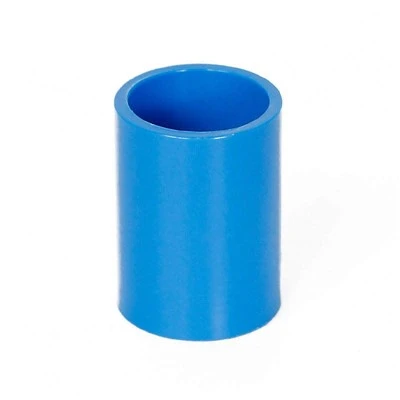
Let’s start with what MPP pipe actually is, because a lot of folks don’t know the details beyond “it’s that black plastic pipe used for utility lines.” MPP stands for Modified Polypropylene, right? It’s a thermoplastic composite that’s built to withstand way more than regular PVC. It resists corrosion from soil chemicals, stands up to ground movement, and has a high melting point—perfect for electrical conduits that might get close to hot wires, or drainage lines that carry wastewater. Now, when it comes to size, that’s the biggest factor in whether you can carry it by hand. MPP pipe comes in all sorts of diameters, from 2-inch electrical conduit all the way up to 24-inch or more for large storm drains. But for small projects? We’re talking about 2-inch to 8-inch lines, maybe 10-inch max, and lengths that are usually 10 or 20 feet long. Let’s do a quick weight check here: a 10-foot section of 4-inch Schedule 40 MPP pipe weighs roughly 22 pounds. That’s nothing—one person can pick that up and carry it no problem. Even a 20-foot section of the same size only clocks in at around 44 pounds, which is still totally manageable if you’re not trying to haul it up a 10-foot ladder or carry it over uneven terrain. The rule of thumb here is simple: if a single section of pipe is under 50 pounds, you don’t need a forklift, an excavator, or even two people. You can move it by hand.
Now, I know what some of you are thinking: “Wait, even if I can lift it, is MPP pipe tough enough to handle being hand-carried and set in a shallow trench without getting damaged?” That’s the next big question, and it’s a fair one. MPP is way more flexible and impact-resistant than PVC, right? PVC is rigid, so if you drop a 10-foot section of it, it’s almost guaranteed to crack or break. MPP? It’s designed to flex under pressure, which means it can take minor bumps and drops without splitting. I’ve seen a guy drop a full 20-foot section of 6-inch MPP from 4 feet up onto a rock, and the only damage was a tiny scuff on the outside—no leak, no structural issue. That’s the kind of toughness that makes hand-installation feasible. But that doesn’t mean you can be careless, of course. You still don’t want to drop a section onto a sharp rock or a rebar rod, because even MPP can get punctured if the point is sharp enough. And when you’re carrying it, you’ll want to make sure the ends are covered with the plastic caps we ship all our MPP pipe with—those caps keep dirt, rocks, and sharp debris out, both during transport and while you’re working, which protects the inside of the pipe and keeps your line clear once it’s installed.
Next up, the trench part. For small projects, most trenches you’re digging are pretty shallow—like 1 to 3 feet deep, right? Because you’re running a small drainage line or a low-voltage conduit that doesn’t need to be buried super deep. Shallow trenches are way easier to work in when you’re hand-installing, because you don’t have to reach way down to set the pipe, and you don’t have to lift sections that are resting at the bottom of a 5-foot hole. If you’re digging a 2-foot deep trench, you can just lower the pipe in by hand, no need for a pulley or a crane. The ground in a small project is also usually more manageable—you’re not digging through rocky soil or wet clay that’s impossible to move with a shovel, so the trench is going to be smooth enough that you can set the pipe in place without it getting caught on rough edges. One thing I always remind clients about trenches, though, is even for shallow ones, you should make sure the base is compacted with a thin layer of sand or granular backfill. Don’t just set the pipe directly on loose dirt, because that can create low spots where water pools, or cause the pipe to shift over time. For hand-installation, that compacted base is super easy to prep—you just spread a 2-inch layer of sand and tamp it down with a hand tamper, no heavy equipment needed.
What about joining the sections? That’s another part of hand-installation that people stress over, but MPP pipe joins way easier than you think for small jobs. Most MPP pipe for small diameters comes with either push-fit connections or solvent-weld ends, both of which you can handle without any fancy tools. Push-fit is the simpler one: you just clean the ends, push them together with a little twist, and they lock into place with a rubber gasket. No special glue, no heat, nothing. For a 4-inch section, that push-fit joint takes 10 seconds to make, and it’s watertight enough for drainage or electrical use. Solvent-weld is just as easy—you use a primer and a specific MPP cement, both of which are lightweight and easy to carry, and you just apply them to the ends, push them together, and hold for 30 seconds. No need for a welding machine or anything. I’ve had clients come to me and say, “I can barely change a tire, can I do this?” and I always tell them yes—even a total beginner can make a solid joint on a small MPP line in 5 minutes total.
But wait, let’s talk about the limits here, because it’s not all sunshine and rainbows. Hand-installing MPP pipe works great for small projects, but if your project starts to get bigger, that changes. For example, if you’re doing a 100-foot line of 12-inch MPP pipe, those sections weigh around 80 pounds each—way too heavy for one person, even if they look manageable. You’d need two people to carry that, and even then, it’s easier to use a small skid-steer or a mini excavator to move them. Also, if your trench is deeper than 4 feet, lifting sections of pipe down into it by hand is risky—you could throw out your back, or drop the pipe and damage it, or even hurt someone if it falls. That’s when you switch to heavy machinery. And if your project is for municipal use or something that needs to meet strict code requirements, you might still want to use machinery just to make sure everything is aligned correctly, but even then, most small municipal projects with lines under 8 inches are totally fine with hand-installation.
I’ve seen this play out so many times with actual projects, too. Last year, I worked with a landscape designer in Austin who was putting in a small backyard drainage system for a residential client—total length was 75 feet, 4-inch MPP pipe, 2-foot deep trench. He quoted the client $1,200 for the job, which included hand-installing the pipe, prepping the trench, and connecting it to the city line. If he’d rented an excavator for that, it would have added at least $500 to the total, plus he would have had to wait a day for delivery, and the job would have taken twice as long. He did the whole thing in one day, by himself, and the client was thrilled with the final result. Another example: a small electrical contractor in Denver who runs low-voltage lines for home security systems. He uses 2-inch MPP conduit all the time, and he hand-installs every single one of his runs, even if they’re 200 feet long. He told me last year that he’s saved over $10,000 in the last two years alone by skipping excavator rentals, and his clients love that he doesn’t have a big digging machine tearing up their yards.
Now, let’s get into some practical tips if you’re planning to hand-install MPP pipe for your small project, because I’ve learned these from my own experience selling to contractors and DIYers. First, always use the right size pipe for the job. Don’t try to use a 10-inch section for a 6-inch line just because you have extra—you’ll be lifting way more weight than you need to. Second, always keep those end caps on the pipe. I can’t tell you how many times I’ve had clients come back with a pipe that’s got a bunch of dirt and rocks inside because they took the caps off too early. That debris can clog up your line or scratch the inside of the pipe, which can affect performance over time. Third, wear the right gear. You don’t need a construction suit, but work gloves are non-negotiable—MPP pipe has sharp edges when you cut it, and carrying sections can cause blisters. Steel-toe boots are also a good idea, just in case you drop a section on your foot (I’ve seen that too, and it’s not fun). Fourth, don’t forget to check local codes. Even for small projects, some towns require permits for drainage lines or electrical conduits, and they might have specific rules about how deep the pipe has to be buried, or what type of backfill you can use. A quick call to your city’s building department will save you a ton of headaches later. Fifth, for longer runs (like 100 feet or more), consider having a helper. Carrying sections of pipe alone for 50 feet is manageable, but if you’re going 100 feet, two people can split the weight and make it way easier, and you can line up the joints together without struggling.
Another thing people ask me all the time: does hand-installing MPP pipe affect its performance? Like, if I lift it around and set it in place, will it crack or break underground, leading to leaks or failure down the line? The short answer is no, if you do it right. MPP is rated to withstand a lot of impact—most standard MPP pipe has an impact resistance rating that means it can take a hit of 10 foot-pounds without breaking, which is way more than what you’d get from dropping a 10-foot section from 3 feet up. The only time hand-installation would cause a problem is if you’re being careless—like dragging the pipe across sharp rocks, or stepping on it and bending it beyond its flexible limit, or puncturing it with a sharp tool while you’re cutting it. If you take your time, handle the pipe gently, and follow the basic installation steps, it will perform just as well as any pipe installed with heavy machinery. I’ve been selling MPP pipe for a decade, and I haven’t had a single warranty claim from a hand-installed line for a small project. Those claims almost always come from large projects where people tried to use the wrong size pipe or dropped a section from a height while using an excavator.
Let’s also talk about cost, because that’s a huge factor for small projects. Excavator rentals can run anywhere from $150 to $500 a day, depending on the size, plus you have to pay for fuel and sometimes an operator if you don’t know how to run one. For a small project that only takes a day or two, that’s a big expense. Hand-installing MPP pipe eliminates that entire cost, which can cut your total project budget by 20% to 40%. That’s money you can put toward better materials, nicer landscaping, or just keep as profit if you’re a contractor. Also, hand-installation is way faster for small jobs. Setting up an excavator, moving it into position, digging the trench, and then moving the pipe takes time, whereas you can dig the trench and set the pipe in the same day with just a shovel and some basic tools. For contractors, that means you can take on more small jobs in a week, instead of waiting around for machinery to show up.
Wait, I should also mention that MPP pipe is way more flexible than other types of plastic pipe, which is another reason hand-installation works so well. PVC is rigid, so if you have a slight curve in your trench, you have to cut the pipe and make joints, which adds time and cost. MPP pipe can bend up to 5% of its diameter without kinking, so you can follow the natural curve of the land, which means fewer joints, less cutting, and easier hand-installation. That’s a big win for small projects that might not have a perfectly straight path for the pipe. I had a client last year who was running a line around a tree in a backyard—he used a 20-foot section of 6-inch MPP pipe, bent it around the tree without even cutting it, and saved himself an hour of cutting and joining. That’s exactly the kind of small win that makes hand-installing worth it.
Now, let’s be real, there are some scenarios where hand-installing isn’t the best idea. If your project is over 500 feet long, or uses pipe larger than 10 inches in diameter, or requires a trench deeper than 4 feet, heavy machinery is going to be better. Even if you can lift the pipe, moving it that far, digging a deep trench, and lining up all the sections is going to be way more work than it’s worth. Also, if you’re working in a tight space, like a narrow alley or a backyard with a lot of existing structures, sometimes a mini excavator is more maneuverable than carrying pipe by hand. But for most small, straightforward projects—residential drainage, small electrical conduits, landscape irrigation lines, even small sewer laterals—hand-installing MPP pipe is totally feasible, and it’s often the smartest choice.
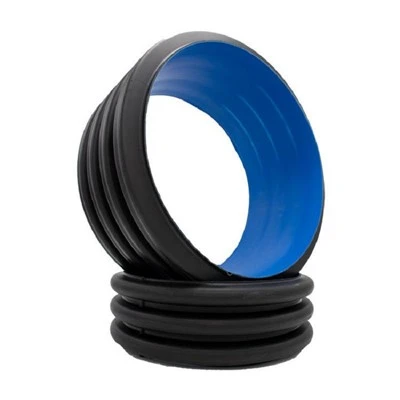
At the end of the day, the biggest takeaway here is that MPP pipe isn’t just for large commercial projects with big budgets and heavy machinery. It’s a versatile material that works great for small jobs too, and hand-installing it saves time, money, and hassle. As someone who’s been in this industry for a long time, I’ve seen way too many small contractors and DIYers overpay for excavators they don’t need, just because they assumed they can’t hand-install the pipe. That’s why I always tell them: grab a pair of work gloves, a shovel, and a few extra caps for the pipe, and you can get the job done yourself.
MPP Pipe If you’re working on a small project and want to learn more about which MPP pipe size is right for your job, or need help figuring out if hand-installation is the way to go for your specific project, feel free to reach out to our team to talk through your needs. We’re happy to help you pick the right pipe, give you step-by-step tips for installation, and make sure you have everything you need to get the job done right.
References
- Modified Polypropylene (MPP) Pipe Technical Specification, National Association of Pipe and Fittings Manufacturers, 2021.
- Residential Drainage Installation Best Practices, Small Contractors Association, 2022.
- Impact Resistance of Thermoplastic Pipes, Journal of Underground Infrastructure, 2020.
- Hand-Installed Utility Line Cost Analysis, Small Business Construction Review, 2023.
Shanxi Kaisheng Plastic Co., Ltd.
As one of the most professional mpp pipe manufacturers and suppliers in China, we’re featured by quality products and good price. Please rest assured to buy customized mpp pipe made in China here from our factory. Welcome to contact us for quotation.
Address: No.72, Area S, Gate 1, Haohai Wumart, Fendong Street, Xiaodian District, Taiyuan City, Shanxi Province
E-mail: sxkssj8@163.com
WebSite: https://www.sx-kssj.com/
