Let me start by saying this—if you’ve just left the dentist’s office with a brand new set of acrylic dentures, you’re probably not thinking about how long they’ll feel weird in your mouth. You’re probably thinking, “Will I ever stop gagging when I eat? Will my speech ever go back to normal? Do these things even fit right?” Spoiler: You’re not alone. I’ve been part of the acrylic denture game for over a decade (we’re a supplier, for anyone who doesn’t know, and trust me—every single customer I’ve worked with has asked this exact question). Acrylic Denture
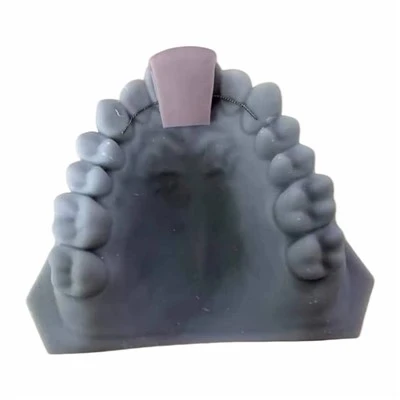
First off, let’s get one thing straight: there’s no one-size-fits-all answer here. Some people adjust in a couple weeks, others take a couple months, and a tiny handful might even need tweaks beyond that. But let’s break it down like we’re talking over coffee, not a medical textbook.
The first 72 hours are the worst, let’s be real. Your mouth is basically a new space—suddenly there’s this hard acrylic sitting where there was just gum and natural teeth before. Gagging is super common here, right? Your soft palate and tongue are used to moving freely, so a foreign object taking up that space is gonna trigger that reflex. I remember a customer a couple years back, she got her full upper dentures and texted me at 2 a.m. saying she’d spit them out three times. I told her it’s normal, and to try taking small sips of water, not big gulps. By day three, she was only gagging when she yawned. That’s the early stage.
Then comes the week one to two mark. This is where the soreness hits. Acrylic dentures are custom-made (well, most of them—we supply high-quality ones that fit as close to natural as possible, but nothing’s perfect the first time). Your gums aren’t used to pressure, so they’ll get tender, maybe even a little red. Some people think this means the denture is wrong, but more often than not, it’s just your mouth getting used to holding something that wasn’t there yesterday. I always tell our customers to use a soft-bristled brush to gently clean their gums when they take the denture out at night—no harsh scrubbing, that’ll make it worse. Also, if the soreness is sharp, not just dull, that’s when you call your dentist for an adjustment. Don’t wait around, because a ill-fitting denture will slow down the whole adjustment process.
Speech is another big one. A lot of people notice they’re slurring or talking like they have something stuck in their mouth in the first week. That’s the tongue trying to re-learn how to move around the new acrylic. Try reading out loud for five minutes a day—start with slow sentences, then work your way up. I had a younger customer once, he got dentures after an accident, and he was too embarrassed to order takeout for two weeks because he couldn’t say “cheeseburger” right. He started reading comic books out loud to his cat, and by week three, he was ordering his usual without a problem. Works way better than stressing over it, trust me.
Now, the two to four week mark—this is where most people start feeling like it’s normal. The gag reflex is almost gone, the soreness is fading, speech is back to close to normal. But here’s the thing: eating is still a work in progress. It’s not that you can’t eat, it’s that you have to learn how. You can’t bite into an apple like you used to—you have to cut it up, take small bites, chew on both sides of your mouth, not just one side. For the first month, stick to soft foods: mashed potatoes, yogurt, scrambled eggs. Then gradually add in firmer stuff, like cooked vegetables, then eventually fruits and meats. I had an older customer who tried to eat a steak after three weeks and gave up because it was too hard. She came back a week later, took tiny bites, chewed slowly, and said it worked. Patience is key here.
But wait—what about people who take longer? Like, a month or more? That’s totally normal too. It depends on a few things: whether you got partial or full dentures, how much gum tissue you have, your age, and even how active you are about practicing. Full upper dentures tend to take longer because they cover more of the soft palate, which affects gagging and speech more. Younger people often adjust faster because their bodies are more adaptable, but I’ve had 70-year-old customers who adjusted in three weeks, and 30-year-olds who took two months—age isn’t the only factor. Also, if your dentures needed relines or adjustments after the first fitting, that can add a little time, but that’s not a sign something’s wrong—it’s just part of the process of getting it perfect.
Here’s a little secret from someone who’s in the acrylic denture supply business: most of the “problems” people have in the first month are just temporary. The acrylic material itself is inert, so it doesn’t irritate the mouth long-term if it’s fitted right. The main issue is the mouth’s reaction to the foreign object. Your brain is basically re-mapping how your mouth works—learning to balance the denture, move it when you speak, chew with it. That takes time, same as learning to ride a bike or drive a car. You don’t master it in a day, right?
Now, let’s talk about when it’s not normal. If after a month you’re still in constant sharp pain, if the denture is slipping around a lot, if you have sores that won’t heal, or if you’re still gagging to the point you can’t wear them at all—those are signs you need to go back to your dentist. Don’t just tough it out. We’ve had customers who waited three months because they thought it was “just part of the process,” and by the time they got a tiny adjustment, they could wear their dentures comfortably in a week. Small fixes go a long way.
I should also mention taking care of your acrylic dentures, because that affects how comfortable they feel long-term. Keep them clean—soak them in a denture cleaner every night, don’t use hot water (it can warp the acrylic, which will make them fit worse and slow down adjustment). When you take them out, put them in a cup of water or cleaner so they don’t dry out and crack. We supply denture cleaners too, by the way—small add-on that makes a huge difference. One customer told me she skipped soaking her dentures for a week, and they got so dry they were hard to put in, and she was sore for an extra two weeks. Lesson learned.
Let me circle back to that original question: how long does it take to get used to acrylic dentures? From what I’ve seen and what the dentists I work with say, the average adjustment period is 4 to 6 weeks. But some people feel like they never really “get used to” them—they just learn to live with them, and after a couple months, they forget they’re there. That’s the big difference. You won’t notice the denture unless you’re thinking about it, not feeling it.
If you’re reading this and you’re about to get acrylic dentures, don’t stress too much. It’s a transition, but it’s worth it—being able to eat what you want, speak clearly, feel confident again. If you’re already wearing them and having a hard time, give it a little more time, do the small things (practice talking, start with soft foods, keep them clean), and if it’s been more than a month, check in with your dentist.
And hey, if you’re in the market for high-quality acrylic dentures, we’ve got you covered. We supply durable, custom-fitted acrylic dentures designed to make that adjustment process as smooth as possible. Whether you’re a dentist ordering for patients or a person looking to get your own, get in touch with us to chat about what you need. No pushy sales stuff, just honest answers and reliable products. You don’t have to go through the adjustment process alone.
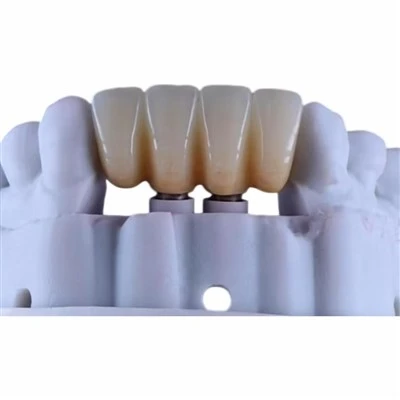
At the end of the day, getting used to acrylic dentures isn’t about waiting for it to feel “natural” overnight—it’s about your mouth adapting, and that takes time. But with a little patience, the right care, and a decent set of dentures, you’ll be chewing and talking like you always have before you know it.
Implant Malo Bridge References
- Journal of Prosthetic Dentistry, "Adaptation to Complete Dentures: A Systematic Review of Clinical and Psychological Factors", 2021
- American Dental Association, "Caring for Your Dentures", 2022
- International Journal of Oral and Maxillofacial Prosthetics, "Acrylic Denture Fit and Adjustment Periods", 2019
- National Institute of Dental and Craniofacial Research, "Denture Use and Oral Health Adjustment", 2020
Shenzhen Tuomei Dental Technology Co., Ltd.
We are one of the most professional acrylic denture manufacturers and suppliers in China, featured by quality products and low price. Please rest assured to buy discount acrylic denture made in China here from our factory. Welcome to view our website for more information.
Address: Room 301, Building C Fuhe Industrial Park No.18 Hexiu West Road, Zhancheng Community Fuhai Subdistrict, Bao’an District, Shenzhen, Guangdong, China
E-mail: dentallab.works@gmail.com
WebSite: https://www.sztuomeidentallab.com/
