Hey everyone, let’s cut to the chase – brake drums aren’t the sexiest part of a car, but they’re non-negotiable when it comes to keeping you safe on the road. As a brake drum supplier who’s been in the game for years, I’ve seen so many drivers brush off weird brake sounds or slow stops as “no big deal”… until they end up stranded (or worse). Today, I’m breaking down exactly what signs mean your brake drum is toast, so you don’t make the same mistakes. Automobile Brake Drum
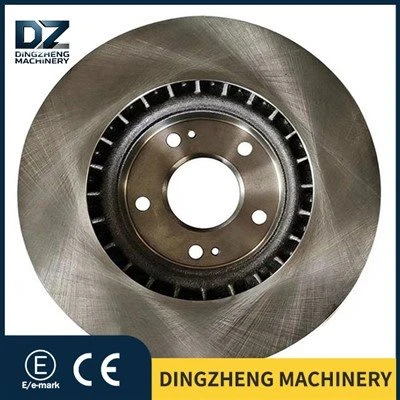
First, let’s keep it simple: brake drums are those round, metal cylinders behind your rear wheels (on most cars, anyway) that clamp down to slow your vehicle. Over time, they wear out, get warped, or develop damage that turns a routine stop into a headache. Let’s jump into the symptoms, the ones you’ll actually notice when you’re driving.
First up: that odd grinding or scraping noise when you brake. If you’re pressing the pedal and hear a high-pitched grind (not the normal squeal you get when your pads are worn thin), that’s usually your brake drum telling you it’s bad. Wait – why? When the drum gets too thin, the metal wears down to the point where the brake shoes are actually rubbing against the drum’s inner surface, not just the lining. Over time, that grinding will turn into metal-on-metal contact, which eats away at both parts. I’ve seen customers come in with drums so worn they looked like they’d been sanded with a chainsaw – that’s not a fix, that’s a replacement job. Another noise to watch for is a thudding or banging when you hit the brakes, especially at low speeds. That usually means the drum has developed a “bell mouth” – a ridge that forms on the outer edge as the drum wears unevenly. When the shoes move to clamp down, they catch on that ridge, causing that thud. It’s not just annoying; it’s a sign the drum’s geometry is all off, which kills stopping power.
Next, the feeling part. You know when your steering wheel vibrates when you brake? A lot of people blame rotors (which make sense for front brakes), but rear brake drums cause the same vibration in your seat or your brake pedal. If the pedal pulses or shakes when you slow down, not just at a stop, your drum is warped. Warping happens when the drum gets too hot – like if you ride your brakes going down a mountain, or you stop suddenly hard over and over. The metal expands unevenly, then cools and twists, so it’s no longer perfectly round. When the shoes press against it, the force is uneven, which causes that shake. Another feeling symptom: a soft or “mushy” brake pedal. Wait, why would a bad drum cause that? If the drum has too much wear, the space between the drum and the shoes gets bigger. So when you press the pedal, you’re pushing the shoes through that extra gap before they even start clamping – that makes the pedal feel squishy, like it needs to go all the way to the floor to stop. If you’ve been checking your brake fluid and it’s fine, your drum’s probably the culprit. Also, if you notice your car pulling to one side when you brake, that’s a dead giveaway. If one rear drum is worn or warped more than the other, the brakes on that side will engage later or harder, pulling your car left or right. That’s not just annoying – it’s a safety hazard, especially at highway speeds.
Then there are the performance issues. Stopping distance goes way up when your drum is bad, right? Because the clamping force isn’t even. If you used to stop on a dime and now you have to press harder and go much further, that’s your drum. And don’t ignore “grabbing” brakes – when your car slows down suddenly or lurches when you brake, that’s the drum warping or having that bell mouth we talked about. Sometimes, if a piece of rust or a broken part gets stuck inside the drum, it can cause the brakes to grab unexpectedly, which is super dangerous. Another one: leaks or damage you can see. Brake drums are metal, so rust is normal, but if there’s deep pitting – tiny, rough spots on the inner surface – that’s a problem. Pitting happens from moisture sitting inside the drum when your car’s parked outside, especially if you don’t use the rear brakes much. Those pits make the brake lining wear unevenly, and can cause that grinding noise we mentioned earlier. Also, if you see cracks on the drum’s surface, especially around the mounting holes or the outer edge, that’s a big red flag. Cracks can spread as the drum heats up, and eventually, the drum could break while you’re braking. I’ve had a customer call me once at 2 a.m. because his rear brake drum cracked on the highway – thank god he was able to pull over safely, but that’s exactly why you want to catch the symptoms early.
Wait, let’s talk about what happens if you ignore these signs. A lot of drivers will just replace the brake pads and hope it fixes the problem. But if the drum is already warped or worn, new pads will only last a few weeks. That’s a waste of money, and it’s not safe. I see this all the time – customers come back a month later because their brakes are worse, and it turns out they didn’t replace the drum. Also, if the drum gets too thin, it can burst under pressure, which is a total brake failure. No one wants that. So when do you know it’s time to replace the drum? Well, general rule: if the wear on the drum is more than the manufacturer’s specified limit (you can find this in your car’s manual, or ask a mechanic), or if there’s any warping, deep pitting, cracks, or that bell mouth, it’s time.
Now, as someone who supplies brake drums, let me tell you – not all drums are created equal. A lot of cheap drums are made with thin metal, so they warp or wear out way faster than OEM (original equipment manufacturer) ones. But even OEM drums need replacement eventually. The key is catching the symptoms early. So what should you do if you notice any of these signs? First, take your car to a trusted mechanic to get a full brake inspection. They can measure the drum’s wear, check for warping, and tell you exactly what you need. If it turns out your drum needs replacing, we’ve got you covered – we make high-quality, durable brake drums that fit most makes and models, so you don’t have to deal with the headaches of flimsy, fast-wearing parts. We work with both individual drivers and repair shops, so if you’re in need of reliable brake drums to keep your customers safe, or you’re a driver who needs a replacement that’ll last, hit us up. Don’t wait until your brakes fail – that’s a risk no one should take.
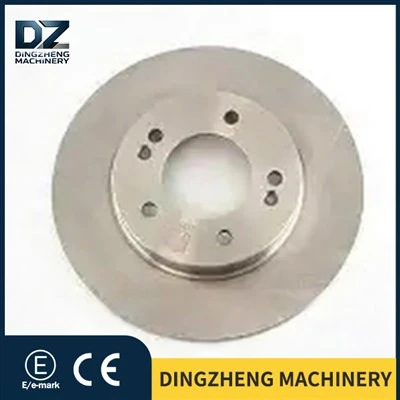
At the end of the day, brake drums are a small part, but they’re critical. Ignoring the symptoms isn’t just a money issue – it’s a safety issue. I’ve been doing this long enough to see how a little bit of attention to these signs can prevent a lot of trouble. So if you’re hearing weird noises, feeling vibrations, or noticing your brakes are just “off,” don’t brush it off. Reach out, and we can help you get the right brake drums to get your car stopping like it should.
HYUNDAI Series Brake Discs References:
- Automotive Brake and Suspension Association. (2022). "Brake System Component Wear and Failure Patterns".
- SAE International. (2021). "Performance Guidelines for Drum Brake Assemblies".
- National Highway Traffic Safety Administration (NHTSA). (2020). "Motor Vehicle Brake Inspection Best Practices".
- Federal-Mogul Motorparts. (2021). "Drum Brake Maintenance Guide for Passenger Vehicles".
- Automotive Aftermarket Industry Association (AAIA). (2022). "Common Brake System Symptoms and Diagnostics".
Laizhou Dingzheng Machinery Co., Ltd.
As one of the most professional automobile brake drum manufacturers and suppliers in China, we’re featured by quality products and good price. Please rest assured to buy cheap automobile brake drum for sale here from our factory. We also accept customized orders.
Address: Luan Jia village, Tushan town, Laizhou city, Shangdong
E-mail: AMY@cndingzheng.com
WebSite: https://www.dingzhengbrake.com/
